In a world filled with monsters, magic, and moral dilemmas, few tales capture the imagination quite like the saga of Geralt of Rivia. If you’ve stumbled upon the Witcher universe and found yourself wondering where to start, you’re not alone. With a mix of short stories and novels, navigating the Witcher book order can feel like trying to find a needle in a haystack—while dodging a griffin’s talon.
Overview Of The Witcher Series
The Witcher series, created by Andrzej Sapkowski, encompasses a collection of short stories and novels chronicling the life of Geralt of Rivia. This fantasy universe mixes folklore and mythology with complex themes of morality, humanity, and personal choice. Readers find themselves immersed in Geralt’s adventures as he navigates a world filled with magic, mythical creatures, and political intrigue.
The series begins with “The Last Wish,” a compilation of short stories that introduce Geralt and his unique ability as a monster hunter known as a Witcher. Notably, these stories establish the foundation for the themes and moral dilemmas that recur throughout the series. Transitioning from these tales, the narrative progresses into full-length novels, starting with “Blood of Elves,” which delves deeper into character development and larger story arcs.
Several key characters accompany Geralt, including Ciri, a young woman with a powerful destiny, and Yennefer, a sorceress with a tumultuous relationship with him. Their interactions contribute significantly to the storyline’s depth and complexity. Moreover, each installment adds layers to Geralt’s character, revealing his struggles between humanity and his monstrous vocation.
Sapkowski’s writing, characterized by rich world-building and multifaceted characters, captivates readers throughout the series. The books explore intricate relationships and moral questions, challenging ideals of good and evil. As readers traverse the Witcher universe, they encounter various factions, magical beings, and ethical dilemmas that continually shape the narrative.
To fully appreciate the Witcher saga’s depth and intricacies, following the correct reading order is essential. This guidance helps ensure a seamless journey through Sapkowski’s masterfully crafted world.
The Witcher Books In Chronological Order
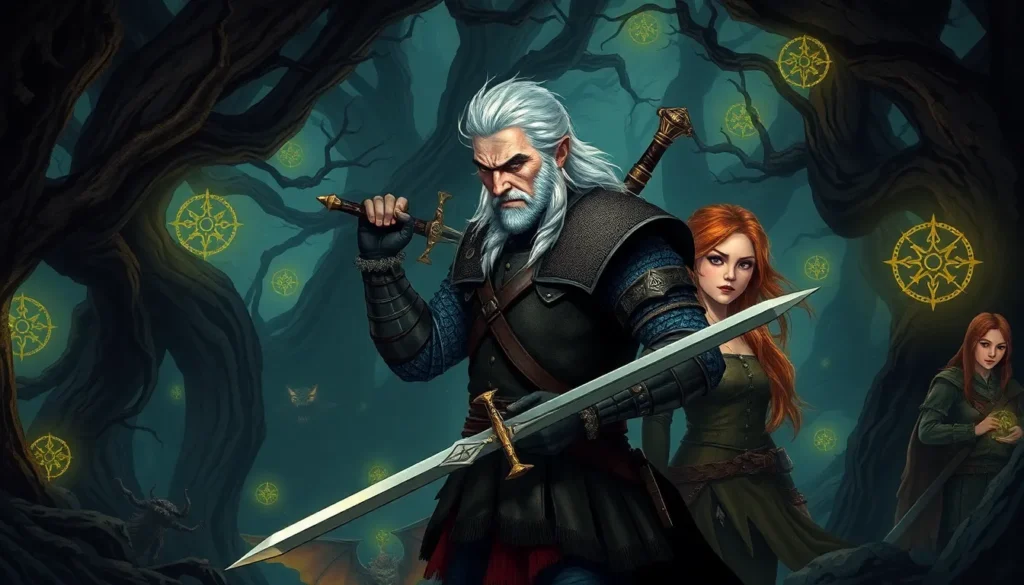
For readers eager to explore the Witcher saga, understanding the chronological order of the books enhances the experience. Here’s a guide through the Witcher books.
The Last Wish
The journey begins with “The Last Wish,” a collection of short stories that introduces Geralt of Rivia. Readers explore Geralt’s encounters with various creatures, showcasing his profession as a monster hunter. This book sets the thematic groundwork for Geralt’s relationships and moral dilemmas in the Witcher universe. Notable stories, such as the titular “The Last Wish,” reveal key elements of his destiny.
Sword Of Destiny
Next, readers encounter “Sword of Destiny.” This collection further develops Geralt’s character and his connection to Ciri and Yennefer. The stories intertwine and build on moral complexities, especially in “A Shard of Ice.” The relationships established here significantly impact the overarching narrative, laying essential groundwork for the subsequent novels.
Blood Of Elves
In the third installment, “Blood of Elves” marks a transition to full-length novels. This book focuses on Ciri’s training and growth as a central character. It delves into the war brewing in the world while maintaining the intricate character dynamics established previously. Development unfolds as Geralt, Yennefer, and Ciri navigate their intertwined fates.
Time Of Contempt
“Time of Contempt” continues the journey with escalating tensions throughout the continent. This novel explores political intrigue and deepens the narrative surrounding Ciri’s destiny. Geralt faces complex moral choices, showcasing Sapkowski’s expert storytelling. Central themes of loyalty and betrayal come to light, highlighting the characters’ struggles against external and internal forces.
Baptism Of Fire
As the series progresses, “Baptism of Fire” brings Geralt into a more active role within the conflict. This installment introduces new allies and adversaries, expanding the world Sapkowski created. Characters like Milva and Regis join Geralt on his quest. Each interaction propels the story forward, carrying the reader deeper into the unfolding chaos.
The Tower Of The Swallow
“The Tower of the Swallow” maintains the momentum established in previous volumes. Ciri’s storyline takes center stage, revealing her resilience and determination. The narrative shifts between perspectives, providing insight into the consequences of choices made throughout the series. Linking characters and events enriches the overarching plot.
The Lady Of The Lake
Finally, “The Lady of the Lake” concludes the Witcher saga. It ties together the threads of Geralt’s, Ciri’s, and Yennefer’s stories. Themes of love, sacrifice, and destiny culminate, offering a powerful resolution. The complex character arcs resonate, marking a fitting end to an epic journey through Sapkowski’s richly woven universe.
The Witcher Short Stories
The Witcher short stories form a foundational part of Geralt of Rivia’s saga, allowing readers to dive into his world of monsters and moral choices.
The Last Wish Explained
“The Last Wish” serves as the first collection of short stories, providing an introduction to Geralt and the universe he inhabits. The narrative unfolds through a series of engaging tales that showcase his role as a monster hunter. Readers encounter key elements, such as Geralt’s complicated relationships and the complexities of fate. This collection highlights pivotal moments, establishing themes of morality and the impact of choices. Characters like Yennefer emerge, shaping Geralt’s journey and intertwining destiny. Insights into his character help set the stage for future adventures, making “The Last Wish” essential for newcomers to the Witcher series.
Sword Of Destiny Explained
“Sword of Destiny” continues the exploration of Geralt’s life, further developing his connections with significant characters like Ciri and Yennefer. The stories delve into their evolving relationships, marked by love, conflict, and loyalty. Each tale adds layers of depth, revealing Geralt’s inner struggles and the moral dilemmas he faces. This collection also emphasizes themes of destiny, illustrating how intertwined the fates of these characters are. Events in “Sword of Destiny” foreshadow developments in later novels, ensuring readers grasp the significance of these connections. Each story enhances the reader’s understanding of Geralt’s world, preparing them for the deeper narratives ahead.
Reading Recommendations
The Witcher series offers multiple entry points for new readers. Understanding where to start enhances the experience.
Best Starting Points
Readers often begin with “The Last Wish,” the initial collection of short stories that introduces Geralt and his universe. This compilation effectively establishes characters and central themes. Another excellent choice is “Sword of Destiny,” which further develops Geralt’s relationships with Ciri and Yennefer. These books set a solid foundation, drawing readers into the complexities of the Witcher world.
Ideal Order For New Readers
New readers are best served by following the chronological order. Start with “The Last Wish,” followed by “Sword of Destiny.” After these collections, the first novel, “Blood of Elves,” continues the narrative. Subsequent novels, including “Time of Contempt,” “Baptism of Fire,” “The Tower of the Swallow,” and “The Lady of the Lake,” ensure a coherent progression of the story. Reading in this sequence provides a comprehensive understanding of the characters and overarching themes, enhancing the entire Witcher experience.
Conclusion
Navigating the Witcher book series can seem daunting but understanding the correct reading order significantly enhances the experience. By starting with “The Last Wish” and following through the short stories and novels, readers can fully immerse themselves in Geralt’s world. Each installment builds upon the last, weaving intricate narratives and deepening character connections.
The rich storytelling and moral complexities found in Sapkowski’s work invite readers to reflect on their own choices and beliefs. Embracing the journey through the Witcher saga not only entertains but also challenges perceptions of good and evil. With this guide in hand, readers are ready to embark on an unforgettable adventure in the Witcher universe.