

Step into the whimsical world of Narnia, where talking animals and epic battles await. But before you grab your wardrobe and leap into this enchanting realm, there’s a crucial question: in what order should you read the Chronicles of Narnia? With seven books to choose from, navigating the timeline can feel like trying to find your way through a maze of talking fauns and mischievous witches.
Overview of The Chronicles of Narnia
The Chronicles of Narnia comprises seven books, each contributing to the rich tapestry of C.S. Lewis’s imaginative world. Readers encounter memorable characters, including Aslan, the noble lion, and the Pevensie siblings, who embark on transformative adventures. The narrative blends themes of good versus evil and sacrifice, making it a timeless classic.
The series begins with “The Lion, the Witch and the Wardrobe,” introducing Narnia and its mythical inhabitants. In “Prince Caspian,” readers join the Pevensies in their quest to help the rightful heir reclaim his throne. “The Voyage of the Dawn Treader” follows a seafaring journey filled with enchantment and discovery.
“Silver Chair” takes a different turn, focusing on the quest to rescue Prince Rilian. “The Horse and His Boy” offers a unique perspective, exploring a different corner of the Narnian realm with Shasta and Bree. “The Magician’s Nephew” serves as a prequel, revealing the origins of Narnia and the creation of its magical landscapes.
Lastly, “The Last Battle” concludes the series with a powerful climax, addressing themes of betrayal and redemption. Every book enriches the overarching narrative, ensuring readers remain captivated throughout. Following the chronological order provides a seamless experience, unveiling the interconnectedness of the stories and their characters. Each adventure invites readers to explore deeper moral questions while experiencing the enchanting world of Narnia.
Publication Order of The Books
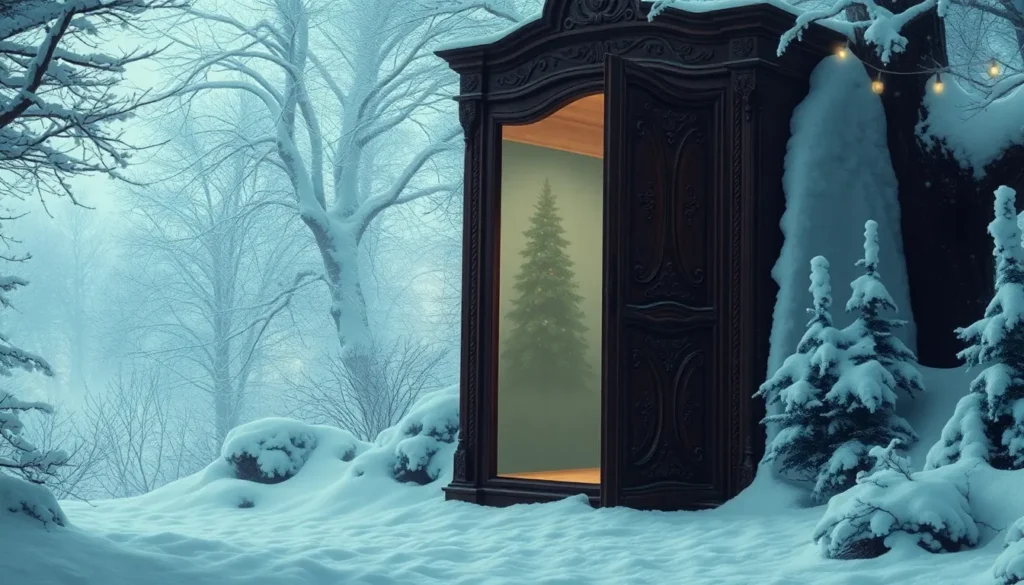
The publication order of the Chronicles of Narnia provides a distinct perspective on C.S. Lewis’s imaginative storytelling.
The Lion, The Witch and The Wardrobe
Published in 1950, this iconic tale introduces readers to Narnia, a land enchanted by magic. The Pevensie siblings discover the wardrobe that leads them to this mystical realm. Their first encounter with Aslan, the great lion, and the White Witch sets off a battle between good and evil. The themes of sacrifice and hope resonate throughout the narrative, making it a captivating starting point for new readers.
Prince Caspian
Released in 1951, “Prince Caspian” continues the adventures of the Pevensies as they return to Narnia. This book explores their efforts to help Prince Caspian reclaim his throne from King Miraz. The journey through Narnia unveils new allies and challenges, showcasing themes of courage and leadership. Each character faces personal growth, deepening the story’s impact.
The Voyage of the Dawn Treader
In 1952, readers embarked on a voyage with Lucy, Edmund, and their cousin Eustace. “The Voyage of the Dawn Treader” features an epic expedition across Narnian seas, guided by King Caspian. The adventures encompass encounters with fantastical creatures and lessons on bravery. The underlying themes of redemption and personal discovery remain central to the narrative.
The Silver Chair
Published in 1953, “The Silver Chair” introduces Eustace and his classmate Jill. Their quest begins when Aslan sends them to rescue Prince Rilian. Throughout their adventure in the dark lands of Narnia, the duo faces trials that test their resolve. The story emphasizes friendship, bravery, and the importance of trusting one’s instincts.
The Horse and His Boy
Released in 1954, this narrative shifts away from the Pevensies and focuses on Shasta and Bree, a talking horse. The duo escapes from their home and embarks on a journey to Narnia. The tale weaves through themes of identity and destiny, revealing Shasta’s true origins. Engaging characters and rich landscapes enhance the story’s allure.
The Magician’s Nephew
In 1955, “The Magician’s Nephew” serves as a prequel to the series. This tale reveals how Narnia was created through the efforts of Digory and Polly. Their adventures encompass the evil queen Jadis’s introduction and the origins of various Narnian elements. Aslan’s role in creation highlights themes of good, evil, and the blessings of choice.
The Last Battle
Published in 1956, “The Last Battle” concludes the series with a harrowing struggle for Narnia’s future. This final adventure addresses betrayal and the fight for truth in a world laden with deceit. Key characters, including King Tirian, face insurmountable odds. The resolution of the narrative emphasizes redemption and hope, leaving readers with a powerful message about loyalty and faith.
Reading Order According to The Story Timeline
The proper reading order based on the story timeline enhances understanding of Narnia’s intricate lore. Start with “The Magician’s Nephew.” This book reveals Narnia’s origins, showcasing how it was created through the adventures of Digory and Polly.
Next, “The Lion, the Witch and the Wardrobe” follows, introducing the Pevensie siblings. Their adventures in the magical realm lead to a climactic battle against the White Witch and establish key characters like Aslan.
Following that, “The Horse and His Boy” shifts the focus to Shasta and Bree. Their journey of self-discovery and escape from tyranny unfolds alongside the events in the main storyline.
Then, “Prince Caspian” continues the saga with the Pevensies returning to Narnia. Their mission to assist Prince Caspian in reclaiming his throne emphasizes bravery and unity.
Afterward, readers experience “The Voyage of the Dawn Treader.” Lucy, Edmund, and Eustace embark on a daring sea adventure, meeting strange creatures and learning valuable lessons along the way.
“The Silver Chair” introduces Eustace and Jill as they seek to find Prince Rilian. Friendship becomes paramount in their quest, reinforcing Narnia’s themes of courage.
Finally, conclude with “The Last Battle.” This gripping tale addresses the struggle for Narnia’s future, tackling betrayal and the quest for truth. It provides a profound resolution, touching on redemption and hope.
Reading the series chronologically deepens the appreciation of its interconnectedness, allowing readers to reflect on the rich moral questions embedded in the narrative.
Impact of The Chronicles of Narnia
The Chronicles of Narnia significantly influenced children’s literature and fantasy genres. C.S. Lewis’s storytelling combines adventure with deeper moral and philosophical themes, encouraging critical thinking. Characters like Aslan and the Pevensie siblings resonate with readers, symbolizing courage and integrity.
This series sparked interest in allegorical narratives, impacting countless authors. Several adaptations, including films and stage productions, expanded its reach, bringing Narnia to new audiences. Schools often use these books to promote literacy and ethical discussions, enhancing their educational value.
Themes of bravery, sacrifice, and redemption permeate the storylines, offering valuable lessons. Readers regularly find inspiration in the characters’ journeys, learning about friendship and loyalty. The magical world of Narnia nurtures imagination, inviting exploration of complex ideas.
Sales figures illustrate the series’ popularity, with over 100 million copies sold worldwide. Despite its initial reception, Narnia’s long-lasting charm continues to engage generations. The thematic depth encourages repeated readings, revealing new insights each time.
Cultural references to Narnia appear in diverse media, indicating its pervasive influence. The continuous discussion around the reading order highlights enthusiasts’ dedication to understanding the series more profoundly. This engagement reinforces the narrative’s central themes, ensuring that Narnia remains a cornerstone of literary discourse.
Conclusion
The Chronicles of Narnia remains a beloved series that captivates readers of all ages. By exploring the recommended reading order, fans can fully appreciate the intricate connections between the books and the profound themes woven throughout. Each story offers unique insights and adventures that resonate deeply with its audience.
As readers embark on their journey through Narnia, they’ll discover not just a fantastical world but also timeless lessons about bravery, sacrifice, and redemption. This enchanting series continues to inspire and educate, ensuring its place in the hearts of many. Whether revisiting the tales or discovering them for the first time, the magic of Narnia is sure to leave a lasting impression.