

In a world where superheroes save the day and villains plot their dastardly schemes, rare comic books stand out like a superhero in a crowd of sidekicks. These gems aren’t just for die-hard collectors; they’re treasures that can turn a casual reader into a comic connoisseur faster than you can say “Bam! Pow!” Imagine unearthing a first edition of Action Comics #1 or a pristine copy of Amazing Fantasy #15—your friends will think you’ve struck gold, and your wallet will thank you too.
What Are Rare Comic Books?
Rare comic books represent a distinct category of collectibles that attract passionate enthusiasts. Generally, these books have limited print runs or unique characteristics, making them highly sought after by collectors and investors alike. Noteworthy examples include first editions and key issues that introduce iconic characters or pivotal storylines.
Collectors often seek rare comic books for their potential value appreciation over time. Various factors, such as condition, age, and historical significance, determine a comic book’s rarity and market demand. A pristine copy of Amazing Fantasy #15, for instance, can command prices in the hundreds of thousands, illustrating the financial potential these items can hold.
Distribution of rare comic books varies significantly. Some were released in small quantities during their initial run, while others became rare only after subsequent printings were cancelled. Popular comic book labels, like Marvel and DC, often produce limited runs for special issues, driving up their desirability.
The importance of rarity goes beyond financial gain. Emotional connection drives many collectors, with memories of childhood reading influencing their passion for specific titles. This emotional value adds a deeper layer to the appeal of rare comic books.
Many collectors participate in comic book conventions or online auction platforms to find elusive editions. Engaging with others who share the same passion not only expands collections but also fosters connections among enthusiasts.
Factors That Determine Rarity
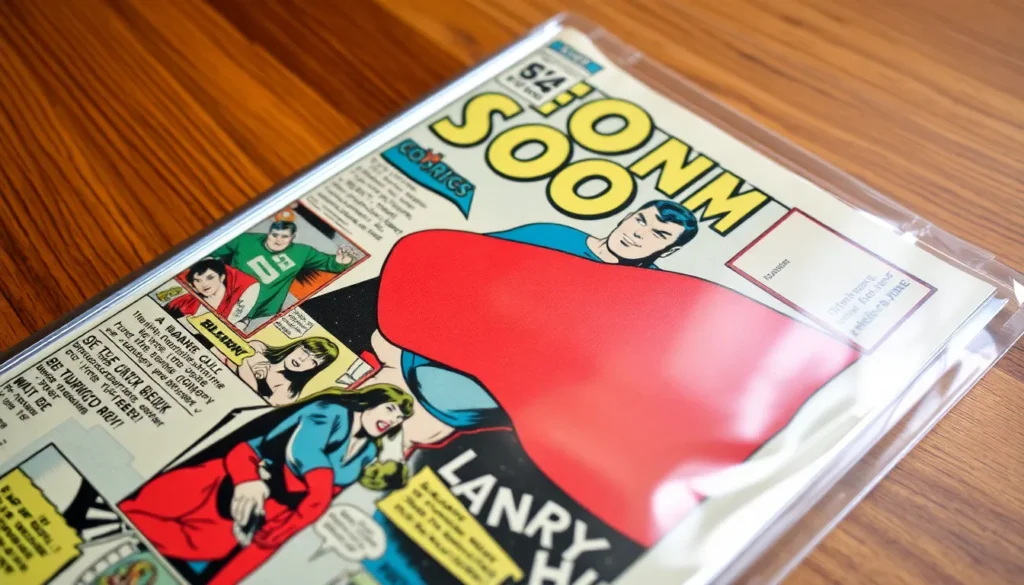
Several elements contribute to the rarity of comic books, shaping their appeal and value in the collector market. Understanding these factors can help collectors identify the most sought-after editions.
Print Runs
Print runs play a crucial role in determining a comic book’s rarity. Limited print runs often create scarcity, making specific issues more desirable. For example, a publication limited to 5,000 copies is significantly rarer than one with 500,000 copies. Once a comic book sells out or is canceled, it immediately increases in value. Collectors actively seek these low-print editions for their uniqueness.
Condition and Grading
Condition impacts a comic book’s rarity and value significantly. Grading systems assess issues based on wear and tear, making the highest grades most sought after. Comics graded as 9.8 or higher can fetch thousands of dollars. Minor flaws, such as creases or fading, can drastically decrease an issue’s market demand. Pristine copies of notable titles stand out in the market, attracting collectors and investors alike.
First Appearances and Key Issues
First appearances and key issues define a comic book’s significance within its universe. Collectors often prioritize titles that introduce iconic characters or pivotal plot developments. For instance, the debut of Spider-Man in Amazing Fantasy #15 remains a benchmark for rarity. Significant story arcs also contribute to demand, as fans seek issues that mark crucial moments in their favorite series. Collectors frequently target these versions for their historical importance in comic book history.
Notable Rare Comic Books
Rare comic books capture the essence of collecting, showcasing unique stories and significant characters. Here are some noteworthy categories within the realm of rare comics.
Golden Age Gems
Golden Age comic books, published from the late 1930s to the early 1950s, hold significant value among collectors. The first appearance of Superman in Action Comics #1 stands as a prime example, with pristine copies fetching millions at auctions. Captain America Comics #1 also marks a significant milestone as it introduced the iconic superhero during World War II, increasing its desirability. Unique features such as variant covers and limited print runs enhance the rarity of these gems, attracting enthusiasts. Collectors look for pieces in excellent condition, as higher grades dramatically elevate the value of these historic issues.
Silver Age Classics
Silver Age comics emerged between the mid-1950s and the early 1970s, redefining superhero narratives. Amazing Fantasy #15, where Spider-Man made his debut, serves as a cornerstone for collectors and commands high prices. Other pivotal series, like Fantastic Four #1, transformed the comic landscape, establishing Marvel as a major player. Collectors seek out first appearances, key plot developments, and significant character arcs, which enhance demand. Condition and grading of Silver Age comics significantly influence their market value, making them essential for serious collectors.
How to Buy and Sell Rare Comic Books
Navigating the world of rare comic books requires knowledge and strategy. Collectors often explore various venues to find and trade these valuable items.
Auction Houses and Online Platforms
Auction houses serve as prime locations for buying and selling rare comics. They host events where bidders compete for sought-after issues. Renowned auction houses like Heritage Auctions and Sotheby’s focus on high-value collectibles. Online platforms such as eBay and AuctionZip provide accessibility to a broader audience, enabling collectors to buy and sell from the comfort of their homes. Listings on these sites often include detailed descriptions and grading information, helping both buyers and sellers make informed decisions. Many collectors develop relationships with trusted sellers on these platforms. Building a network can lead to exclusive deals on rare titles.
Understanding Market Value
Grasping the market value of rare comic books proves essential for successful transactions. Various factors contribute to a comic’s worth, including rarity, condition, and significance. Grading companies like CGC provide standardized assessments that impact perceived value. Price trends fluctuate based on collector demand and recent auction sales data. An examination of historical sales helps gauge the current market landscape. Comparisons between similar issues can clarify pricing strategies. Tracking industry news and sales reports keeps collectors informed about market movements. Recognizing these elements enables strategic buying and selling, maximizing potential returns.
Conclusion
Rare comic books are more than just collectibles; they embody nostalgia and passion for many enthusiasts. Their unique features and historical significance create a vibrant market where collectors thrive. Whether it’s the thrill of discovering a Golden Age gem or the excitement surrounding a Silver Age classic, each rare comic tells a story that resonates deeply.
For those looking to dive into this fascinating world, understanding the nuances of rarity and market trends is essential. With the right knowledge and strategy, collectors can not only find valuable editions but also forge connections within the community. As the market continues to evolve, the allure of rare comic books will undoubtedly remain a captivating pursuit for fans and investors alike.