As little ones prepare to embark on their educational journey, the right books can turn reading into an adventure rather than a chore. A well-curated kindergarten reading list isn’t just a collection of stories; it’s a treasure chest filled with colorful characters and delightful tales that spark imagination and curiosity. Who wouldn’t want to dive into a world where animals talk, and every page turn reveals a new surprise?
Kindergarten Reading List
A kindergarten reading list plays a crucial role in early literacy development. Young children gain foundational reading skills through exposure to diverse texts. Engaging stories captivate their attention and spark their imagination. During this formative phase, books introduce new vocabulary and concepts, enhancing language skills.
Furthermore, the right selection of books fosters a love for reading. When children enjoy the stories, they’re more likely to embrace reading as a lifelong habit. Educational research shows that reading aloud with children improves comprehension and critical thinking. Quality books promote social-emotional learning by presenting relatable characters and scenarios.
Reading lists also aid in building a routine around reading. Establishing a consistent reading time helps children understand the importance of literacy. Parents and educators both benefit from structured reading lists, making it easier to choose appropriate books.
Additionally, these lists support different learning styles among kindergarteners. Visual learners may appreciate illustrated books, while auditory learners might enjoy rhythmic stories. Varied reading materials cater to all interests, encouraging every child to engage with texts.
Ultimately, a well-crafted kindergarten reading list can inspire a child’s future academic success. It sets the stage for confidence in reading and critical skills that extend beyond the classroom. By focusing on quality literature, adults equip children with tools for meaningful interactions with texts throughout their educational journey.
Top Recommended Books For Kindergarten
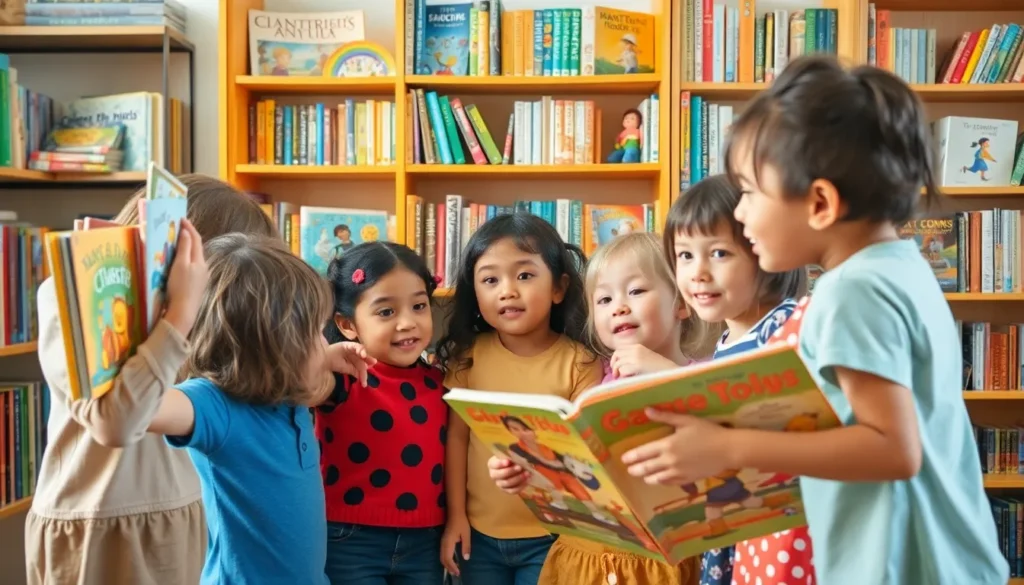
A well-rounded kindergarten reading list includes both classic favorites and exciting new releases. These choices spark curiosity and encourage early literacy.
Classic Favorites
Classic books stand the test of time and remain engaging for young readers. Titles like “Where the Wild Things Are” by Maurice Sendak capture imagination with vivid illustrations and a journey into a fantastical world. “The Very Hungry Caterpillar” by Eric Carle teaches counting and days of the week through colorful storytelling. “Brown Bear, Brown Bear, What Do You See?” by Bill Martin Jr. introduces repetition and rhythm, making it enjoyable for children. These timeless stories not only build vocabulary but also create cherished memories, establishing a love for reading from an early age.
New Releases
New releases offer fresh narratives and diverse perspectives that resonate with today’s children. “The Pigeon Will Ride the Roller Coaster!” by Mo Willems delivers humor and excitement, making it a hit for young audiences. “Dreamers” by Yuyi Morales inspires creativity through beautiful illustrations and an uplifting message about belonging. “I Am Enough” by Grace Byers teaches self-acceptance and kindness, fostering emotional intelligence. Incorporating these current titles encourages exploration and connection with various themes while keeping reading fun and relevant for kindergarteners.
How To Create A Balanced Reading List
Creating a balanced reading list requires attention to various genres and skills. An assortment of texts engages young readers and supports their literacy development.
Including Diverse Genres
Incorporating various genres captures children’s interests and broadens their understanding. Fictional stories spark imagination while non-fiction books inform about the world. Poetry introduces rhythm and creativity, making language fun. Picture books enhance visual storytelling, supporting comprehension as children connect images to words. Consider including genres like fairy tales, myths, and adventure stories for varied experiences. These diverse selections build a comprehensive reading foundation, ensuring children encounter different writing styles and themes.
Fostering Early Literacy Skills
Fostering early literacy skills begins with selecting engaging and age-appropriate titles. Reading books aloud promotes phonemic awareness, helping children recognize sounds and patterns in words. Interactive stories encourage participation, allowing kids to predict outcomes and understand narratives. Choosing books that feature repetitive phrases can enhance memorization and fluency. Furthermore, diverse characters in stories teach empathy and social awareness, as children relate to various perspectives. Quality literature cultivates curiosity and critical thinking, essential for future academic achievements.
Tips For Encouraging Reading At Home
Create a cozy reading environment that invites children to explore books. Soft lighting and comfortable seating can enhance the reading experience.
Incorporate books into daily routines, such as reading at bedtime or during quiet afternoons. Consistency helps establish reading as an enjoyable habit.
Choose diverse materials that reflect children’s interests and backgrounds. A variety of genres keeps them engaged and broadens their understanding.
Be enthusiastic when reading aloud to young children. Expressive voices and animated storytelling bring characters to life, capturing their attention and imagination.
Ask open-ended questions about the stories to encourage critical thinking. Prompting children to share their thoughts boosts comprehension and enhances their vocabulary.
Make regular visits to the library a fun family outing. Exposing young readers to a wide array of books promotes discovery and ownership of their reading choices.
Use everyday activities to incorporate literacy. Cooking or shopping can become opportunities to read recipes or lists, linking reading to real-life contexts.
Introduce technology in moderation, such as educational apps and eBooks. Interactive digital reading can effectively complement traditional books, offering new ways to engage.
Finally, model reading behaviors by letting children see caregivers enjoying books. Observing adults’ reading habits reinforces the importance of literacy and encourages children to mimic those actions.
Conclusion
A thoughtfully curated kindergarten reading list is essential for nurturing a child’s love for reading. The right books not only enhance literacy skills but also spark imagination and curiosity. By introducing children to a variety of genres and diverse characters, parents and educators can foster empathy and critical thinking from an early age.
Establishing a reading routine with engaging stories creates a positive environment for learning. As children explore vibrant narratives, they develop essential skills that set the foundation for future academic success. Encouraging regular reading habits at home ensures that children view reading as an enjoyable adventure. With the right resources and strategies, early literacy can flourish, paving the way for lifelong learning and a passion for books.