Every parent knows that getting kids to read can feel like herding cats—fun in theory but chaotic in practice. The K-12 reading list is more than just a collection of books; it’s a treasure map leading to adventure, knowledge, and a sprinkle of imagination. It’s the secret sauce in the recipe for academic success, helping young minds grow and flourish.
K-12 Reading List
A K-12 reading list serves as a crucial tool in nurturing a child’s intellectual growth. This resource encompasses diverse genres, encouraging students to engage with literature while meeting academic objectives.
Importance of Reading in K-12 Education
Reading plays a vital role in K-12 education. It enhances comprehension skills and broadens vocabulary, facilitating communication. Furthermore, regular reading habits contribute to improved academic performance across all subjects. Research shows that students who read frequently exhibit higher levels of creativity and critical thinking. Engaging with various texts prepares students for real-world challenges by fostering analytical abilities. Exposure to different cultures and perspectives via literature promotes empathy and understanding.
Goals of a K-12 Reading List
A K-12 reading list aims to inspire a love for literature. It provides students with the opportunity to explore various topics and genres, while encouraging independent thought. Additionally, the list supports curricular alignment, ensuring that reading materials corresponding to educational standards are included. Facilitating discussions around the texts enhances critical thinking skills and engages students in meaningful ways. Overall, a well-constructed reading list aids in developing lifelong readers who appreciate the value of literature.
Key Features of a Quality K-12 Reading List
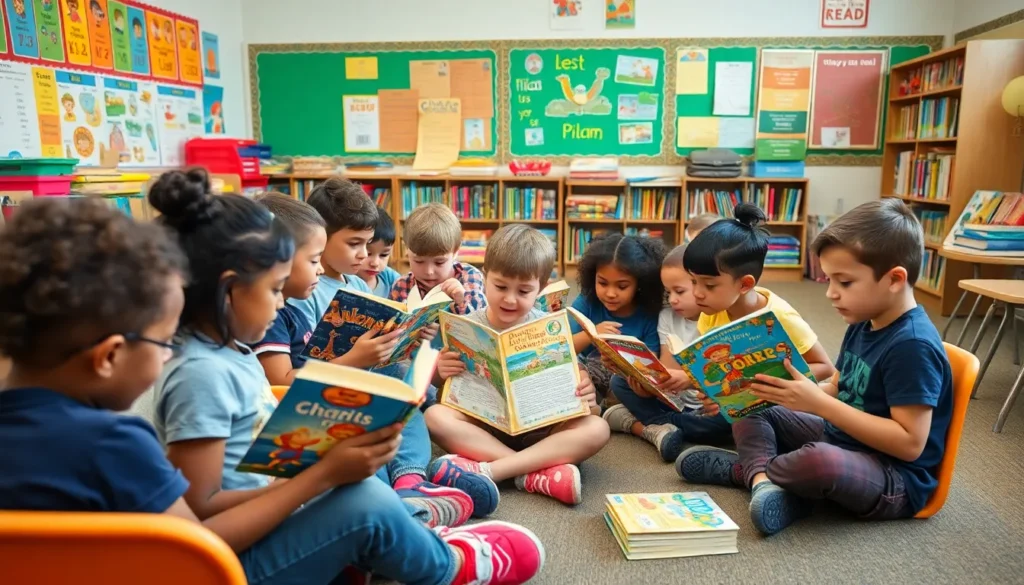
A quality K-12 reading list incorporates essential elements that foster a love for reading and support academic success. Key features include age appropriateness and diverse genres.
Age Appropriateness
Books on a K-12 reading list must align with the developmental stages of students. Younger children, for instance, benefit from picture books and simple narratives, while older students engage with complex themes and detailed plots. It’s crucial that reading materials stimulate interest and comprehension. Selecting age-appropriate texts encourages active participation in learning and reduces frustration. Additionally, books tailored to specific age groups foster self-esteem and confidence in reading abilities. Encouragement from parents and educators can facilitate discussions about challenging texts, promoting critical thinking.
Diverse Genres
Including various genres ensures that a K-12 reading list captivates all students. Fiction opens doors to imaginative worlds, while non-fiction provides factual knowledge. Poetry introduces rhythmic language and emotional expression, while graphic novels appeal through visual storytelling. Diverse genres cater to varied interests and reading preferences, fostering engagement and excitement for literature. Exposure to different styles enhances comprehension and broadens perspectives. Additionally, including culturally diverse voices allows students to connect with broader human experiences. A well-rounded reading list nurtures a deeper understanding of the world and encourages a lifelong love for reading.
Recommended Books by Grade Level
This section outlines recommended books for various grade levels, catering to diverse interests and developmental stages.
Elementary School
Books for elementary students focus on themes of friendship and adventure. Titles like Charlotte’s Web by E.B. White and The Cat in the Hat by Dr. Seuss engage young readers with captivating stories. Understanding character development becomes easier with books such as Magic Tree House series, which combine history with fun narratives. Illustrations enhance comprehension and keep students interested. Additionally, Where the Wild Things Are by Maurice Sendak encourages imagination. These selections help foster a love for reading while supporting literacy skills development.
Middle School
Middle school readers benefit from more complex themes and character arcs. Titles such as Wonder by R.J. Palacio promote empathy and kindness. Readers may also enjoy classics like The Giver by Lois Lowry, which introduces thought-provoking concepts. Delving into mysteries and adventures, Percy Jackson & The Olympians series by Rick Riordan captivates and excites a wide range of students. Graphic novels like Smile by Raina Telgemeier offer diverse storytelling formats that appeal to varied readers. Encouraging discussions around these selections enhances critical thinking skills.
High School
High school students encounter literature that challenges their perspectives and encourages in-depth analysis. Classics such as To Kill a Mockingbird by Harper Lee address social justice themes and moral growth. Contemporary works like The Hate U Give by Angie Thomas connect with current social issues, fostering relevant discussions. Young adults might also appreciate 1984 by George Orwell for its exploration of dystopian themes. Selecting texts that align with curricular goals encourages students’ analytical skills. Furthermore, poetry collections like The Sun and Her Flowers by Rupi Kaur inspire creative expression and empathy.
Benefits of Following a K-12 Reading List
Following a K-12 reading list provides numerous advantages for students, parents, and educators alike. These benefits include enhanced literacy skills and fostering a lifelong love for learning.
Enhancing Literacy Skills
Reading regularly develops essential literacy skills crucial for academic success. Improved comprehension occurs as students engage with diverse texts. Vocabulary expands through exposure to new words in various contexts. Additionally, students strengthen their critical thinking abilities by analyzing characters and themes. This process cultivates communication skills, essential in both written and verbal forms. Regular interaction with literature boosts confidence in reading abilities, allowing students to tackle more complex texts as they advance through grades.
Encouraging Lifelong Learning
A well-curated reading list inspires a passion for literature that lasts beyond school years. Engaged readers often seek out new books and genres, leading to continuous exploration of knowledge. Diverse topics introduce students to different cultures and perspectives, widening their understanding of the world. Curiosity thrives through this exposure, prompting students to ask questions and seek answers independently. Connections formed through reading foster emotional intelligence, which contributes to personal growth. Ultimately, students who embrace reading as a valuable hobby develop critical habits that promote lifelong learning.
Conclusion
A thoughtfully curated K-12 reading list is essential for nurturing a child’s love for literature and supporting their academic journey. By providing age-appropriate and diverse genres, it fosters engagement and comprehension while enhancing critical thinking skills. Encouragement from parents and educators amplifies the impact of these reading lists, making discussions about texts both enriching and enjoyable.
As students explore various narratives and perspectives, they not only improve their literacy skills but also develop empathy and emotional intelligence. Ultimately, embracing a K-12 reading list paves the way for lifelong readers who appreciate the power of stories and knowledge, ensuring they thrive both in school and beyond.