
In a world where winter is always coming and dragons are just a flight away, navigating the epic saga of “A Song of Ice and Fire” can feel like trying to find your way through the streets of King’s Landing without a map. With George R.R. Martin’s intricate plotlines and a cast of characters that could fill a small village, knowing the right book order is crucial for any aspiring reader.
Overview of A Song of Ice and Fire
George R.R. Martin’s “A Song of Ice and Fire” series consists of several epic fantasy novels. The series begins with “A Game of Thrones,” which introduces readers to the Seven Kingdoms of Westeros and its complex political landscape. Character interactions drive the story forward, revealing intricate relationships and motivations.
Each book delves deeper into the conflicts between noble houses, exploring themes of power, betrayal, and loyalty. The second installment, “A Clash of Kings,” expands on the ongoing wars while introducing new characters who add depth to the narrative.
Next, “A Storm of Swords” brings major plot twists and significant character developments. Events from this book often leave a lasting impression on readers due to their dramatic nature. Following this installment, “A Feast for Crows” shifts focus, emphasizing the aftermath of previous battles and the struggles of power within the realm.
“A Dance with Dragons” picks up where “A Storm of Swords” left off, intertwining the fates of key characters across different locations. Anticipation surrounds the upcoming books, “The Winds of Winter” and “A Dream of Spring,” which are expected to further elaborate on the series’ overarching themes and conflicts.
Understanding the proper reading order enhances the enjoyment of this intricate saga, enabling readers to grasp essential plot points and character arcs. Each book builds upon the last, making it crucial to read them sequentially for a coherent experience. The rich world Martin has created continues to captivate fans, promising an unforgettable literary journey.
Book Order in the Series
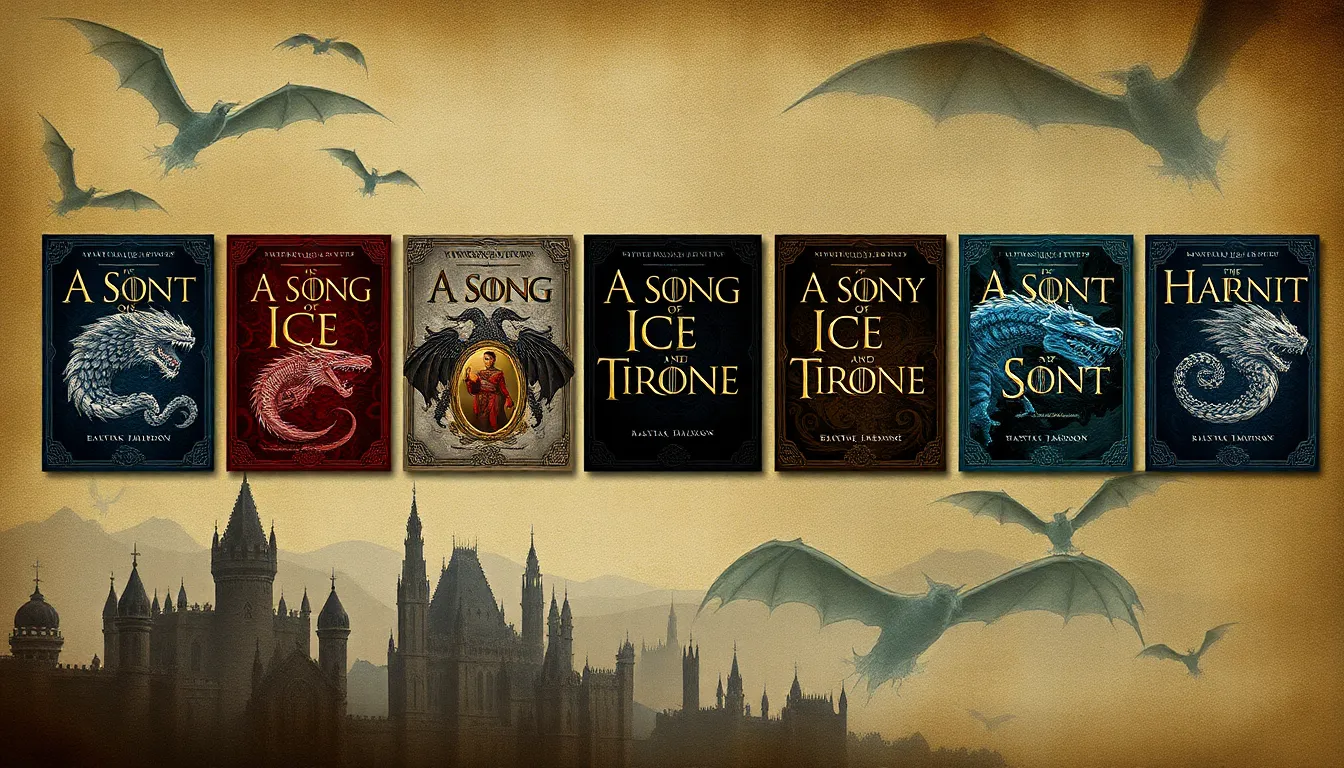
Understanding the book order in “A Song of Ice and Fire” series is vital for a coherent reading experience. The sequence sheds light on character development and plot progression.
Publication Order
The publication order of the series begins with “A Game of Thrones,” released in 1996. Following that, “A Clash of Kings” came out in 1998. Readers then encountered “A Storm of Swords” in 2000. In 2005, “A Feast for Crows” was published. Next in line, “A Dance with Dragons” arrived in 2011. Two anticipated books, “The Winds of Winter” and “A Dream of Spring,” are forthcoming. Each title builds on the previous one, creating a rich tapestry of story and character arcs as Martin unveils the complexities of the world.
Chronological Order
The chronological order differs slightly, as events unfold in the series. Start with “A Game of Thrones,” where the intricate relationships form. “A Clash of Kings” follows and highlights ongoing conflicts. Next, “A Storm of Swords” presents significant turning points. Afterward, “A Feast for Crows” focuses on the aftermath of the previous events. “A Dance with Dragons” intertwines stories from distant lands. Anticipation for “The Winds of Winter” and “A Dream of Spring” remains high as they promise to further develop the overarching narrative. This reading approach enhances clarity around the timeline of events and character journeys.
Key Themes Across the Books
George R.R. Martin’s “A Song of Ice and Fire” series explores several key themes, intricately woven throughout the narrative. Readers can find layered discussions of power, identity, and morality, reflected in the actions and motivations of various characters.
Power and Politics
Politics drives the story across the series. Various noble houses vie for control, showcasing the complexities of power dynamics. Alliances shift as characters navigate betrayals and loyalties, making each decision significant. Events unfold in the context of political maneuvering, illustrating the sometimes brutal nature of leadership. The Iron Throne stands as a symbol of ultimate authority, drawing characters into ruthless conflicts. Readers observe how ambition shapes relationships and strategies in their struggles for dominance.
Identity and Morality
Identity emerges as a crucial theme, with characters wrestling with their beliefs and values. Many face internal conflicts that challenge their sense of self, particularly when survival depends on difficult choices. Moral ambiguity permeates the narrative, prompting readers to question what defines right and wrong. The series examines how personal experiences and societal expectations influence decision-making. Themes of honor and integrity clash with pragmatism, pushing characters to adapt to harsh realities. This exploration resonates with audiences, emphasizing the struggle for individuality in a chaotic world.
Main Characters and Their Arcs
The characters in “A Song of Ice and Fire” drive the narrative, each possessing distinct arcs that contribute to the series’ depth.
Point of View Characters
Point of view characters allow readers to experience the rich tapestry of Westeros through diverse lenses. Eddard Stark, for instance, embodies honor and integrity, setting the moral tone early in the series. Daenerys Targaryen undergoes transformation from a frightened girl to a formidable leader with dragons at her command. Jon Snow grapples with his identity as a Stark and his role as a Night’s Watch member, showcasing themes of loyalty and duty. Tyrion Lannister’s wit masks his struggles, revealing complexities in a world that judges him harshly. Characters shift perspectives as the series unfolds, enabling readers to immerse themselves in the intricate plot and emotional turmoil.
Supporting Cast
Supporting characters enrich the narrative, weaving personal stories into the main arcs. Cersei Lannister’s ambition fuels conflicts, demonstrating the ruthless nature of power. Sansa Stark evolves from a naive girl to a savvy political player, learning harsh lessons from her surroundings. Brienne of Tarth exemplifies loyalty and honor, often against overwhelming odds. Petyr Baelish, known as Littlefinger, operates in shadows, manipulating events to serve his own ambitions. Each supporting character adds layers, assisting in the exploration of themes like betrayal, honor, and survival, further immersing readers in the series’ world.
Conclusion
Navigating the world of “A Song of Ice and Fire” requires careful attention to the order of the books. Each installment builds on the last, revealing the intricate web of alliances and betrayals that define the series. By understanding both the publication and chronological order, readers can fully immerse themselves in George R.R. Martin’s richly crafted narrative.
The themes of power, identity, and morality resonate throughout the saga, making it a profound exploration of human nature. As readers delve into the lives of iconic characters, they’ll discover a story that challenges their perceptions and keeps them engaged. With the anticipation of future installments, the journey through Westeros remains an exciting adventure for fans old and new.