Finding the right books for elementary school kids can feel like searching for a needle in a haystack. With so many options out there, how do you choose the ones that’ll spark joy and ignite a love for reading? Fear not! This elementary school reading list is here to save the day.
Elementary School Reading List
An elementary school reading list serves as a valuable tool for guiding young readers toward suitable literary choices. This list helps cultivate a nurturing environment for developing reading habits.
Benefits for Young Readers
Young readers gain numerous benefits from engaging with a thoughtfully curated reading list. Exposure to age-appropriate books fosters cognitive growth and enhances vocabulary. It also encourages creative thinking and improves comprehension skills. Reading regularly instills confidence as children discover their interests and preferences. Ultimately, enjoyment in reading can lead to lifelong habits that extend beyond academics.
Importance of Diverse Genres
Diverse genres play a crucial role in enriching a child’s reading experience. Various genres expose students to different writing styles and perspectives. This variety broadens their understanding of the world while fostering empathy. Incorporating genres like fiction, non-fiction, poetry, and fantasy sparks curiosity and keeps young readers engaged. Additionally, diverse themes resonate with a wider audience, making reading more inclusive and relatable for all children.
Recommended Books by Grade Level
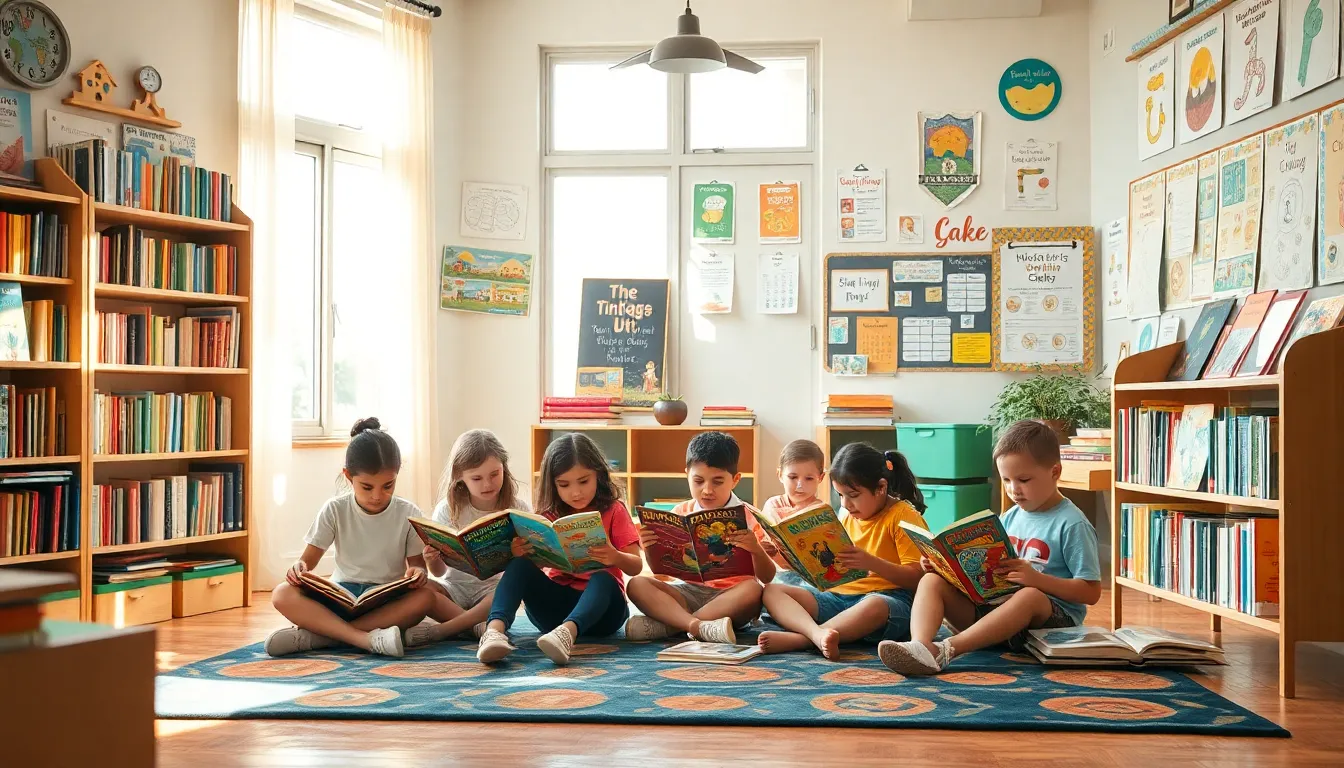
Selecting the right books can significantly impact a child’s reading journey. Below are book recommendations organized by grade level to support young readers.
Kindergarten to 1st Grade
Picture books dominate this stage, fostering early literacy. “The Very Hungry Caterpillar” by Eric Carle captivates children with its vibrant illustrations and simple storyline, encouraging counting and days of the week. “Brown Bear, Brown Bear, What Do You See?” by Bill Martin Jr. promotes color recognition and rhythm. Consider “Chicka Chicka Boom Boom” by Bill Martin Jr. and John Archambault for its engaging rhymes. These books nurture imagination, build phonemic awareness, and encourage a love for stories early in life.
2nd to 3rd Grade
At this level, readers explore chapter books, which broaden their comprehension skills. “Magic Tree House” series by Mary Pope Osborne offers adventure while educating readers on various historical topics. The “Junie B. Jones” series by Barbara Park highlights relatable experiences for early elementary students, enhancing emotional understanding. Titles like “Flat Stanley” by Jeff Brown spark creativity through engaging narratives about a boy who becomes flat. Each book fosters confidence in reading while keeping the young audience intrigued and excited about literature.
4th to 5th Grade
As students reach upper elementary grades, they delve into more complex themes. “Percy Jackson & The Olympians” series by Rick Riordan introduces Greek mythology in a contemporary setting, appealing to the adventurous spirit. “Wonder” by R.J. Palacio emphasizes kindness, compassion, and acceptance, resonating with pre-teens. Another notable title is “The Tale of Despereaux” by Kate DiCamillo, blending adventure with themes of bravery and love. These selections help refine critical thinking while exploring diverse perspectives and deepening an understanding of character development.
Themes and Subjects to Explore
Exploring diverse themes and subjects enhances young readers’ experiences. Each genre introduces unique concepts, enriching comprehension and imagination.
Adventure and Fantasy
Adventure and fantasy books captivate young readers with captivating tales, allowing them to escape into magical worlds. Titles such as “Where the Wild Things Are” invite children to explore creativity and imagination. Engaging plots drive excitement, fostering a love for reading. Characters like Harry Potter inspire bravery and resilience through their journeys. Adventure and fantasy literature encourages children to dream big, enhancing their enthusiasm for stories.
Biographies and Non-Fiction
Biographies and non-fiction expose children to real-life figures and events, providing inspiration and knowledge. Books like “Who Was Martin Luther King Jr.?” present incredible stories of impact and perseverance. Non-fiction titles, such as “National Geographic Kids,” spark curiosity about the world. This genre invites critical thinking and exploration, broadening horizons. Understanding diverse experiences promotes empathy and informs children’s perspectives on society.
Science and History
Science and history books stimulate interest in the natural world and humanity’s past. Titles like “The Magic School Bus” engage children with educational adventures. These books explain complex concepts in enjoyable ways, making learning fun. Historical themes, such as those found in “The American Revolution for Kids,” foster comprehension of timelines and events. Engaging with science and history enhances analytical skills and nurtures informed future citizens.
Tips for Parents and Educators
Fostering a love for reading involves practical strategies from parents and educators. Using targeted approaches can significantly enhance a child’s reading experience.
Encouraging Reading Habits
Instilling consistent reading habits starts with setting aside time for daily reading. Engaging discussions about books help children articulate their thoughts and deepen comprehension. Introduce a rewards system that celebrates milestones, celebrating completed books or reading goals. Visits to the library can excite children about new titles, allowing them to explore different genres. Lastly, modeling reading behavior showcases its importance, as children learn by example.
Creating a Reading-Friendly Environment
Designing a welcoming reading space transforms reading into an inviting activity. Arrange cozy seating and adequate lighting to promote comfort while reading. Stock shelves with diverse book options to cater to various interests and reading levels. Consider minimizing distractions, allowing for focused reading time. Incorporating elements like bookmarks or reading journals can enhance the experience and encourage kids to express their thoughts about what they’ve read.
Conclusion
Selecting the right books for elementary school children is crucial in nurturing their love for reading. A well-curated reading list not only provides guidance but also opens doors to diverse genres and themes that enrich young minds. By engaging with various literary styles, children gain valuable skills while exploring new worlds and ideas.
Parents and educators play a vital role in creating a supportive reading environment. Incorporating daily reading habits and fostering discussions about books can significantly enhance a child’s experience. As young readers embark on their literary journeys, the right books will inspire confidence and curiosity, laying the foundation for a lifelong passion for reading.