
The Horus Heresy series is like a literary rollercoaster, filled with epic battles, betrayal, and enough plot twists to make even the most seasoned reader’s head spin. For those diving into this universe, figuring out the book order can feel like trying to assemble IKEA furniture without the instructions—frustrating and slightly terrifying. But fear not!
Overview Of The Horus Heresy Series
Horus Heresy represents a pivotal narrative in the Warhammer 40,000 universe. This series unfolds the dramatic events leading to the galactic civil war. Various authors contribute unique perspectives, creating a rich tapestry of stories informed by themes of loyalty and treachery.
Key characters like Horus, the Warmaster, become central figures. Readers witness his fall from grace and the devastating impact on humanity. The tension between the Emperor and his sons fuels the conflict, providing depth to the narrative.
Notably, the series consists of multiple novels, organized chronologically. Each book offers insights into different factions and their motivations. For instance, “Horus Rising” establishes the groundwork for the Heresy, while “The First Heretic” delves into the Chaos influence on the traitors.
Fans of science fiction appreciate the series for its detailed world-building. Extensive lore underpins each character and event, giving readers a profound sense of investment. The interactions among the Space Marines and their allegiances highlight the complexity of the story.
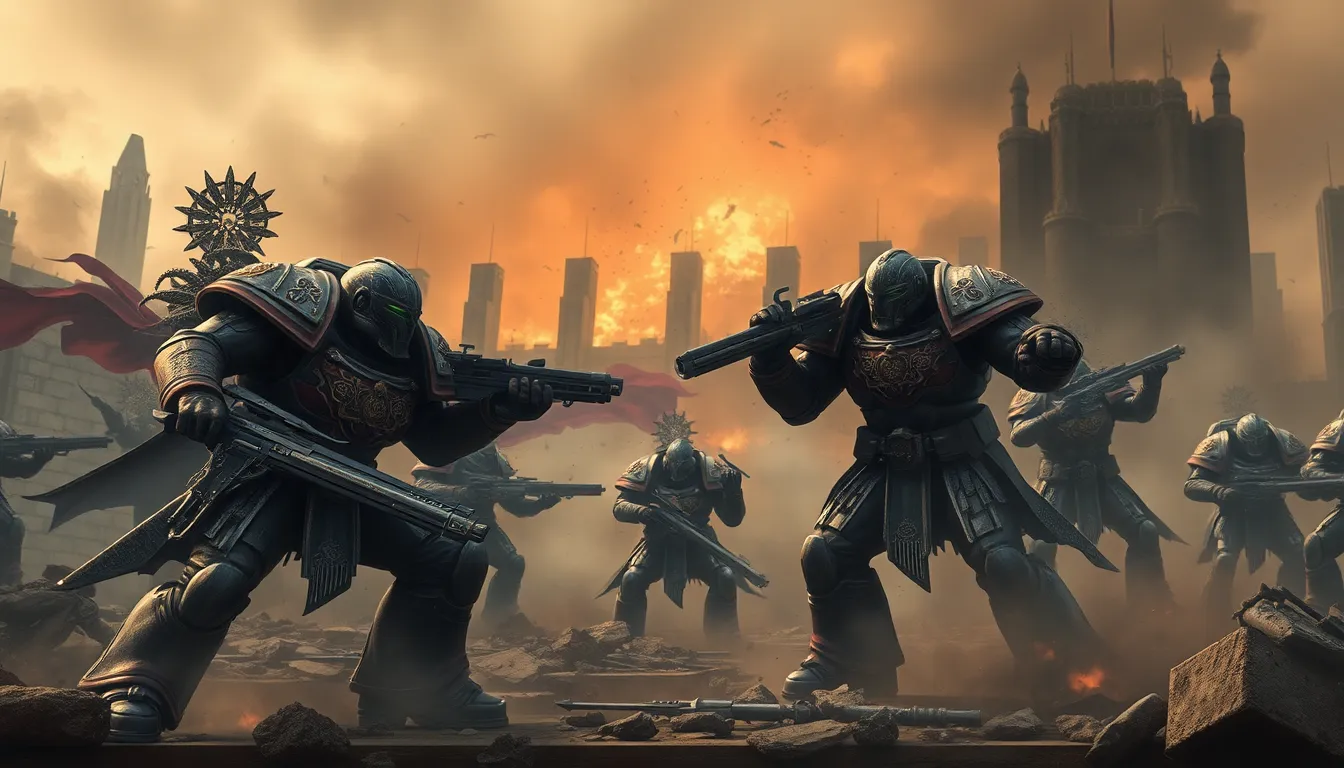
In addition, the Horus Heresy series introduces several noteworthy events. Epic battles take center stage, illustrating the vast scale of the conflict. Milestones such as the Siege of Terra showcase the desperation faced by both loyalists and traitors.
Consequently, the reading order requires careful attention. Starting with the first book provides context for later events. Several reading guides offer structured paths to follow, enhancing the overall experience for newcomers and veterans alike.
Chronological Reading Order
Reading the Horus Heresy series in order enriches the understanding of its complex narrative. Each book builds upon the last, revealing critical details about the unfolding road to civil war.
Book List In Order
- Horus Rising
- False Gods
- Galaxy in Flames
- The Flight of the Eisenstein
- Fulgrim
- Descent of Angels
- Legion
- Battle for the Abyss
- Mechanicum
- Tales of Heresy
- Fallen Angels
- A Thousand Sons
- Nemesis
- The First Heretic
- The Siege of Terra series
The ordering above provides a cohesive journey through the events leading to the Horus Heresy, facilitating a deeper engagement with the storyline.
Key Events Covered
The series depicts significant milestones shaping the Warhammer 40,000 universe. Expectations include the rise and betrayal of Horus, the breakdown of familial bonds among Space Marines, and the unfolding of Chaos’s influence.
Epic moments emerge during critical battles such as the Siege of Terra, where both sides face dire consequences. Conflicts between loyalist forces and traitors illustrate moral dilemmas deeply rooted in the lore.
As narratives intertwine, themes of loyalty, sacrifice, and ambition resonate throughout the series, giving fans insight into individual characters and overarching motivations.
Recommended Reading Approaches
The Horus Heresy series offers various methods for readers to engage with its rich narrative. These approaches enhance understanding and enjoyment of the complex storylines.
Thematic Grouping
Thematic grouping allows readers to explore specific concepts across multiple books. By focusing on themes such as loyalty, betrayal, and sacrifice, readers can gain deeper insights into character motivations. For instance, grouping together novels that explore the rise of Chaos provides clarity on its impact on the traitor legions. Focusing on the early books helps establish foundational ideas, while later titles dive into the consequences of betrayal and conflict. This approach promotes a cohesive grasp of overarching themes and enhances the reader’s experience.
Author Insights
Reading based on author contributions reveals unique perspectives within the series. Notable authors like Dan Abnett, Graham McNeill, and Aaron Dembski-Bowden each bring different styles and narratives to the table. Understanding how each author influences character development enriches the reading experience. For example, Abnett’s portrayal of tactical warfare contrasts sharply with Dembski-Bowden’s exploration of Chaos. This distinction underscores varied storytelling methods and highlights how different viewpoints shape the series’ depth. Readers can discover personal preferences by following specific authors throughout the books.
Common Challenges In The Series
Navigating the Horus Heresy series presents several common challenges for readers. One significant obstacle includes identifying the chronological order of the books. Each novel builds on the previous one, making the rightful sequence crucial for understanding the complex narrative.
Reading diverse perspectives from multiple authors adds another layer of complexity. Each author interprets key events and characters uniquely, which can lead to confusion for those unfamiliar with individual writing styles. Engaging with various narratives may require extra effort to grasp the series’ rich tapestry.
The sheer volume of titles also poses a challenge. The series includes over 50 novels, making it daunting for newcomers to know where to start. New readers often benefit from curated reading guides, which provide suggested paths through the intricate storyline.
Character development can contribute to difficulties. With many prominent figures like Horus and the Emperor, it’s essential to follow their arcs and understand their motivations. Jumping into the series without context might result in a fractured comprehension of their journeys.
Connecting overarching themes may overwhelm some participants in the story. Elements of loyalty, betrayal, and ambition intertwine throughout the series, complicating readers’ ability to track critical plot points without background knowledge. Recognizing these themes enhances the overall experience but requires attentiveness.
Lastly, keeping track of key events and battles can prove challenging. Major moments, such as the Siege of Terra, are pivotal, yet understanding their significance demands familiarity with the preceding chapters. Each of these challenges requires readers to adapt their approach as they delve deeper into the Horus Heresy saga.
Conclusion
Navigating the Horus Heresy series can be a thrilling yet daunting journey. With its intricate plotlines and rich character development, readers are invited to immerse themselves in a universe where loyalty and betrayal shape destinies. By following the recommended reading order, newcomers can appreciate the unfolding drama and the complexities of each character’s motivations.
The series not only provides epic battles and significant events but also explores profound themes that resonate throughout the Warhammer 40,000 lore. Engaging with this narrative in a structured way enhances the overall experience, making it accessible for both veterans and those new to the saga. As readers delve into the depths of the Horus Heresy, they’ll discover a compelling tale that leaves a lasting impact.