

Summer’s here, and while most kids dream of endless days at the pool or video game marathons, there’s a secret weapon that can keep their brains sharp and their imaginations soaring: a middle school summer reading list. Sure, the idea of reading might not seem as thrilling as a water balloon fight, but these books are the ultimate adventure just waiting to be discovered.
Middle School Summer Reading List
Summer reading promotes cognitive development for middle school students. Engaging with books improves vocabulary, comprehension, and critical thinking skills. Research indicates that students who read during the summer maintain and enhance their reading abilities, reducing the summer slide.
Reading broadens perspectives and enhances creativity for young readers. Exposure to various genres allows children to explore different cultures, themes, and ideas. Such exploration fosters empathy and understanding, vital for their social development.
In addition, summer reading cultivates a lifelong love for literature. When students choose books they enjoy, it transforms reading into an enjoyable pastime rather than a chore. This enjoyment directly correlates with increased motivation and academic success during the school year.
Students also benefit from structure in their reading routine. Setting goals for the number of books or pages encourages discipline and time management. This practice prepares them for the academic demands of the school year.
Libraries and summer programs often provide resources to facilitate this process. Access to diverse materials encourages exploration and sparks interest. Participating in reading challenges or book clubs can further enhance engagement through collaborative learning experiences.
Overall, summer reading serves as a crucial element in the educational journey of middle schoolers. Making reading a priority during the summer ensures students return to school confident and prepared for new challenges.
Middle School Reading List
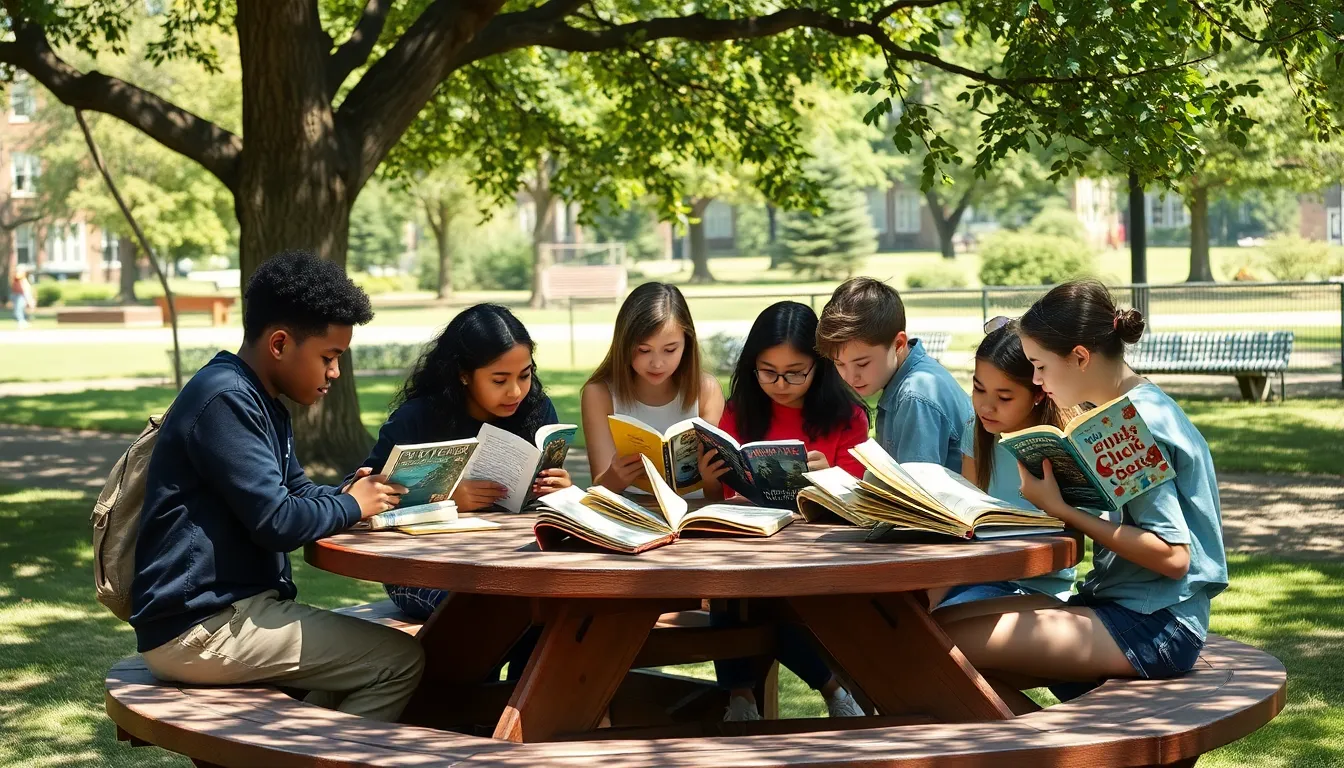
Middle school students can explore diverse literary worlds through carefully selected books. Below are some engaging options across both fiction and non-fiction genres.
Fiction Selections
Young readers connect with relatable characters in popular middle school fiction. Titles such as Wonder by R.J. Palacio emphasize empathy and friendship. Similarly, The Giver by Lois Lowry invites them to ponder deeper societal questions. Percy Jackson & The Olympians: The Lightning Thief by Rick Riordan blends adventure with Greek mythology, captivating imaginations. These stories not only provide entertainment but also foster critical thinking and emotional intelligence.
Non-Fiction Selections
Non-fiction books offer students opportunities to learn about real-world topics. I Am Malala by Malala Yousafzai inspires resilience and advocacy for education. In contrast, Hidden Figures by Margot Lee Shetterly showcases the untold stories of women in STEM, igniting curiosity. The Boys Who Challenged Hitler by Phillip Hoose presents a historic account of courage and activism. Each selection enriches knowledge while encouraging engagement with essential social issues and facts.
Reading Lists for Middle School
Creating a summer reading list involves careful consideration of student interests and balancing different genres. This approach ensures a diverse and engaging selection of books.
Consider Student Interests
Identifying interests influences book choices significantly. Students often gravitate towards stories that resonate with their experiences or aspirations. Engaging with particular genres, like fantasy or science fiction, invites excitement. Discussing favorite books with students can reveal preferences and spark enthusiasm for reading. Allowing students to contribute to the list empowers them and fosters ownership in the reading process. Suggestions from peers or recommendations from teachers can also enhance selection. Prioritize choices that reflect their tastes while offering new perspectives and themes.
Balance Between Genres
Balancing genres fosters a well-rounded reading experience. A mixture of fiction and non-fiction caters to various learning styles and interests. Engaging narratives in fiction stimulate imagination and empathy, while non-fiction expands knowledge and awareness of real-world issues. Including adventure, mystery, and classic literature invites exploration of different storytelling techniques. Consider incorporating diverse voices and perspectives to promote understanding of various cultures and ideas. This variety encourages students to discover new favorites while developing their critical thinking and analytical skills. A balanced list caters to curiosity and broadens horizons.
Tips For Encouraging Reading
Encouraging summer reading among middle schoolers requires creative strategies. Creating a designated reading space enhances focus and comfort. Parents can engage children by discussing their favorite stories, fostering a shared love for books.
Setting specific reading goals helps track progress and maintain motivation. Establishing goals, such as finishing a certain number of books or pages per week, promotes a sense of accomplishment.
Incorporating technology can connect students with books in a modern way. E-readers and audiobooks offer accessibility, allowing readers to enjoy stories anywhere.
Organizing regular family reading time establishes reading as a priority. Gathering as a family to read together makes the experience enjoyable and reinforces the importance of literature.
Participating in summer reading programs at local libraries encourages exploration of new titles. Libraries often provide themed reading challenges and events, which can excite students about literature.
Encouraging conversations about books allows children to express thoughts and opinions. Discussing characters, plots, and themes develops critical thinking and communication skills.
Providing a diverse selection of books helps cater to various interests. Including genres such as fantasy, mystery, and non-fiction exposes readers to different perspectives and topics.
Rewarding accomplishments further motivates students. Simple incentives, like a special outing or a new book, can create excitement for reaching reading milestones.
Conclusion
Embracing a middle school summer reading list can transform the way students experience their break. By engaging with a variety of books students not only enhance their skills but also cultivate a genuine passion for reading. The right selection of titles can inspire curiosity empathy and critical thinking.
With the strategies outlined parents and guardians can create a supportive reading environment that fosters growth and enjoyment. Whether through structured reading goals or collaborative activities the journey of summer reading can be both enriching and fun. As students dive into their chosen books they’ll return to school not just prepared but excited for the challenges ahead.