

In a world dominated by digital screens and instant gratification, vintage comic books stand as a delightful reminder of simpler times. These colorful pages not only tell heroic tales but also offer a glimpse into the culture and creativity of the past. Imagine flipping through a comic where superheroes wore capes that could rival any fashion week runway—talk about timeless style!
What Are Vintage Comic Books?
Vintage comic books refer to publications produced primarily between the late 1930s and the 1980s. These comics capture moments in time, reflecting societal trends, artistic styles, and popular culture. Collectors highly value them for their rarity and historical significance.
Typically, comic books from this era feature iconic characters like Superman, Batman, and Wonder Woman. The stories often showcase heroic battles, moral dilemmas, and adventures that resonate with readers. Many vintage comics also serve as cultural artifacts, illustrating changing attitudes toward issues like race, gender, and politics.
The designation of “vintage” generally applies to comics over 20 years old, but specific classifications exist for different eras. The Golden Age (1938-1956) marks the birth of superhero comics, while the Silver Age (1956-1970) emphasized creativity and innovation. The Bronze Age (1970-1985) introduced more complex narratives and darker themes.
Depending on condition and demand, some vintage comic books can fetch high prices at auctions. High-grade issues of key titles often attract significant attention, making them valuable investments. Many enthusiasts seek out specific issues to complete their collections, leading to thriving markets for buying, selling, and trading these comics.
Collecting vintage comic books not only brings nostalgia but also fosters a community among collectors. Enthusiastic fans gather at conventions and online forums to share insights and showcase their collections. By cherishing these comics, they preserve a unique aspect of cultural history.
History of Vintage Comic Books
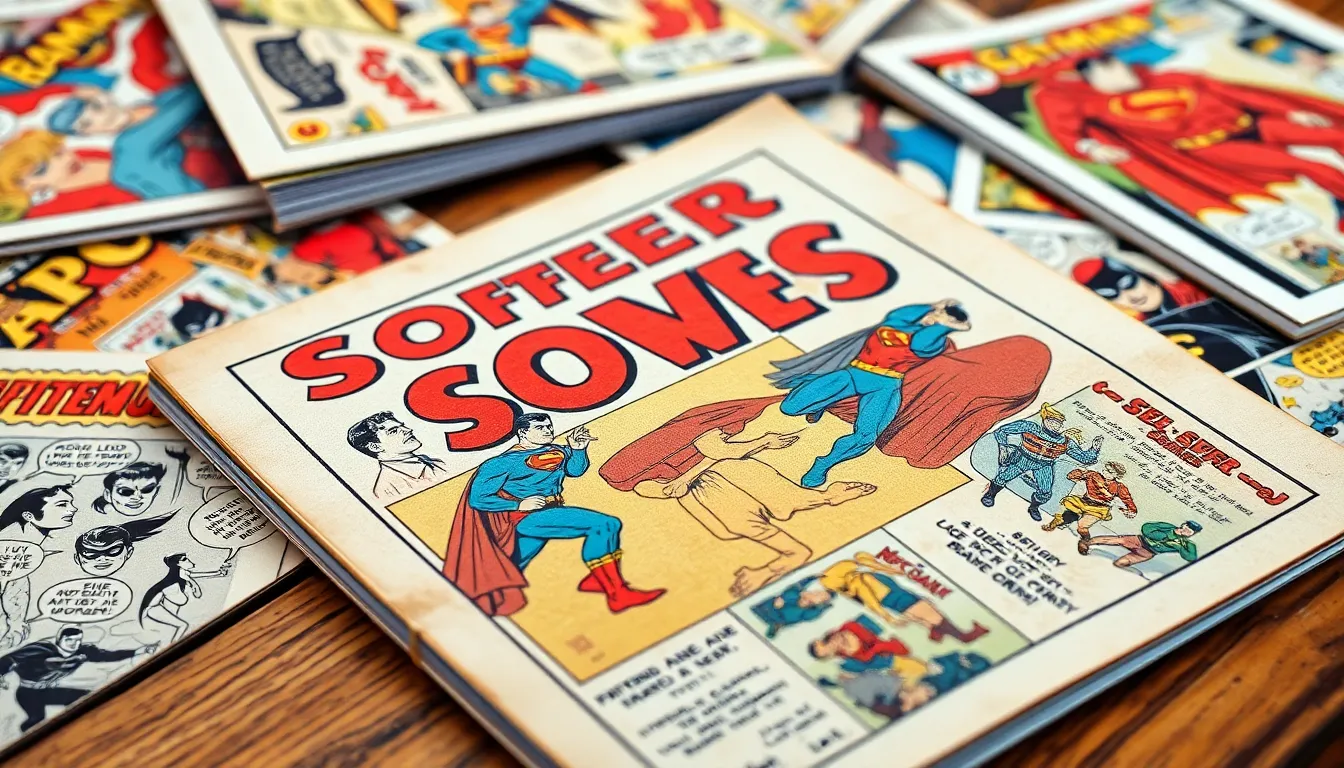
Vintage comic books emerged as a notable cultural phenomenon in the early 20th century, reflecting societal trends and evolving artistic styles.
Early Beginnings
Comic strips began appearing in newspapers in the late 1930s, capturing readers’ attention with humor and adventure. Early comic books compiled these strips and added new stories, introducing characters like Superman in 1938. This introduction marked a shift in storytelling, blending heroic narratives with societal commentary. Initially, comics catered to children, but adults also embraced the medium, leading to broad readership. Various publishers sprang up, each contributing to a growing market that would soon flourish.
Golden Age of Comics
The Golden Age of Comics spanned from the late 1930s to the early 1950s, characterized by the rise of iconic superheroes. Superman and Batman became cultural icons, solidifying their popularity through engaging adventures. Publishers focused on themes of justice, morality, and conflict during this era, reflecting societal challenges such as World War II. The introduction of comic book codes in 1954 aimed to regulate content, ensuring that stories remained suitable for all ages. Collectors began to value these vintage comics for their rarity, marking the era as a pivotal moment in comic book history.
Collecting Vintage Comic Books
Collecting vintage comic books offers excitement and a sense of nostalgia. Enthusiasts cherish the rich history and cultural impact these artifacts embody.
How to Start Your Collection
Researching vintage comics begins with understanding different eras and iconic characters. Familiarizing oneself with notable series aids in building a meaningful collection. Next, setting a budget helps collectors prioritize which comics to pursue. Visiting local comic shops and attending conventions provides access to diverse selections. Networking with fellow collectors often leads to valuable insights and potential trades. Online marketplaces offer opportunities to find rare issues, but one must exercise caution to avoid counterfeit comics.
Condition Grading and Valuation
Evaluating the condition of comic books directly affects their value. Grading systems classify comics from Mint to Poor, influencing collectors’ decisions. Mint copies, for instance, experience minimal wear, while Good copies display noticeable flaws. Collectors often reference grading guides to understand the nuances of various conditions. Age and rarity also play crucial roles in valuation, as older, less common issues tend to fetch higher prices. Auction results provide insight into current market trends, helping collectors make informed purchasing decisions.
Famous Vintage Comic Books
Vintage comic books feature iconic storylines and characters that have left a significant impact on pop culture. They reflect the artistic spirit and societal values of their time.
Iconic Series and Characters
Superman, Batman, and Wonder Woman stand out as integral figures in the comic book world. These characters emerged during the Golden Age and defined the superhero genre. Batman’s dark narrative contrasts sharply with Superman’s optimistic tone, creating compelling dynamics in storytelling. Fans admire the depth of the characters and their evolution across decades. Collectors often seek classic series such as “Action Comics” and “Detective Comics” for their historical importance. These issues mark the beginnings of superhero storytelling, providing insight into the era’s cultural sentiments.
Milestone Issues
Milestone issues highlight key moments in comic book history. “Action Comics #1,” released in 1938, debuted Superman and paved the way for future superhero tales. “Detective Comics #27,” which introduced Batman in 1939, marked another turning point in the genre. Unique storylines often resonate with audiences, such as “The Amazing Spider-Man #1,” which launched a beloved character in 1963. Collectors prize these milestone issues not only for their rarity but also for their transformative impact on comics. High auction values reflect their significance and desirability among comic enthusiasts.
Conclusion
Vintage comic books hold a special place in the hearts of collectors and enthusiasts alike. They offer a glimpse into the past while celebrating the artistry and storytelling that shaped popular culture. The nostalgia they evoke is unmatched as iconic characters continue to inspire new generations.
As collectors dive into this fascinating world they not only preserve history but also connect with a vibrant community. Whether it’s through attending conventions or engaging in online discussions the passion for vintage comics fosters lasting friendships.
The journey of collecting these timeless treasures is rewarding and enriching. Each comic tells a story that transcends time making vintage comics a cherished part of cultural heritage.