In a world where imagination knows no bounds, children’s book authors are the wizards of storytelling. They conjure up enchanting tales that whisk young readers away to far-off lands, where dragons might just need a hug and talking animals have the best advice. These literary magicians don’t just write; they spark curiosity and inspire dreams, all while keeping it fun and relatable.
But let’s face it—writing for kids isn’t just about rhymes and colorful illustrations. It’s a delicate dance of humor and heart that can captivate even the most distracted little ones. From timeless classics to modern adventures, these authors hold the key to unlocking the joy of reading. So, whether you’re a parent, an aspiring author, or just someone who appreciates a good giggle, dive into the whimsical world of children’s book authors and discover the magic they create.
Children Book Authors
Children’s book authors craft stories that resonate deeply with young minds. These writers blend imagination with valuable life lessons. Classic authors like Dr. Seuss and Roald Dahl created timeless characters that continue to inspire creativity. Newer voices, such as Kwame Alexander and Jacqueline Woodson, bring diverse perspectives that reflect today’s children and their experiences.
Creating engaging narratives often involves balancing humor and heartfelt moments. Authors typically aim to ignite curiosity and foster a love for reading among children. They employ various techniques, such as vivid imagery and relatable protagonists, to capture attention. Adaptability is crucial; authors must respond to evolving trends in children’s literature while retaining timeless themes.
Themes often encourage empathy, friendship, and resilience. Readers encounter worlds where imagination thrives, helping them navigate real-life challenges. Additionally, captivating illustrations enhance the storytelling experience, making it accessible and enjoyable.
Participation in children’s literature extends beyond traditional publishing. Many authors engage with young audiences through school visits and workshops, emphasizing the importance of storytelling. Networking with educators and librarians contributes significantly to their outreach, ensuring these stories reach children from all walks of life.
Writing for children represents a unique challenge yet offers profound rewards. Effective communication with young readers requires understanding developmental stages and emotional needs. Authors who succeed in this niche often leave a lasting impact, influencing generations and shaping future readers.
Notable Children Book Authors
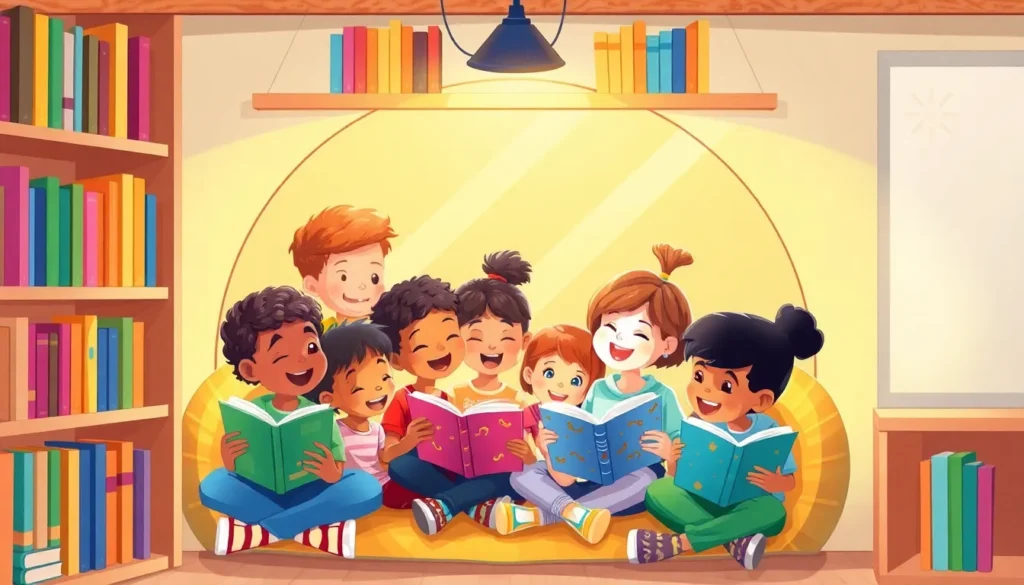
Children’s book authors significantly shape literature for young readers. Their works often feature rich narratives and vivid illustrations that captivate and inspire.
Classic Authors
Dr. Seuss stands as a pioneer in children’s literature. His playful rhymes and imaginative worlds have entertained generations. Roald Dahl created unforgettable characters, each with unique personalities and life lessons. Both authors weave humor and whimsy into stories that resonate with readers of all ages. E.B. White, known for “Charlotte’s Web,” explores themes of friendship and loss, offering valuable insights into life’s complexities. These classic authors laid the groundwork for what children’s literature represents today, blending entertainment with educational value.
Modern Authors
Kwame Alexander brings a fresh voice to contemporary children’s literature. His award-winning books feature inspiring themes of resilience and identity, reflecting the diverse experiences of today’s youth. Jacqueline Woodson addresses critical social issues with sensitivity and grace, helping young readers navigate their emotions and environments. Authors like Erin Entrada Kelly craft heartfelt stories that celebrate cultural diversity, resonating deeply with young audiences. These modern writers expand the literary landscape, ensuring children see themselves represented in what they read, thus fostering a wider love for literature.
Impact of Children Book Authors
Children’s book authors significantly shape young minds, offering powerful educational experiences through captivating narratives. Their stories frequently incorporate themes that encourage critical thinking, problem-solving, and creativity. For instance, many characters embark on adventures that require clever solutions, promoting active engagement with the text. Authors like Dr. Seuss utilize playful language and rhythm, enhancing phonemic awareness while entertaining. Modern writers also address contemporary issues, making literature relevant and relatable.
Educational Influence
Educational benefits abound in children’s literature. Authors use storytelling to teach reading, writing, and comprehension skills. Engaging plots often spark curiosity about science, history, and culture. For example, picture books can introduce complex ideas simply, fostering a love for learning. Literature also enhances vocabulary and comprehension through rich language. As children navigate different genres, they develop analytical skills and imagination. Diverse voices contribute to expanded perspectives, teaching empathy and inclusivity.
Social and Emotional Development
Children’s book authors play crucial roles in social and emotional growth. They often explore themes such as friendship, family dynamics, and personal challenges. By portraying relatable characters, authors help children process their emotions and experiences. For instance, stories about overcoming fears or navigating relationships equip readers with coping strategies. Engaging narratives encourage discussion about feelings, promoting emotional intelligence. Additionally, literature fosters a sense of belonging, allowing children to connect with characters and their journeys. Such connections nurture compassion and understanding, essential traits for personal development.
Writing Styles of Children Book Authors
Children’s book authors employ various techniques and approaches that make their narratives engaging and educational. By incorporating imaginative elements, they cultivate a love for reading among young audiences.
Illustrative Techniques
Visual storytelling captures the attention of young readers. Illustrative techniques play a critical role in this process. Vibrant colors stimulate curiosity while detailed images provide context to the narrative. Authors collaborate closely with illustrators, ensuring that artwork complements the text. Rhythmic patterns blend seamlessly with illustrations, enhancing the overall storytelling experience. This synergy often allows children to connect visually and emotionally with characters. Elements such as whimsical designs or relatable scenes encourage exploration of themes. Thus, vivid illustrations transform the story into an immersive adventure.
Storytelling Approaches
Storytelling approaches vary widely among children’s book authors. Many authors focus on relatable protagonists, allowing children to see themselves in the characters’ journeys. Emphasizing humor and heart forms a vital part of their narratives, captivating and resonating with young audiences. Engaging dialogues keep readers’ attentions while exploring themes of friendship, identity, and resilience. Authors often utilize simple yet imaginative language, making challenging concepts accessible. They create a balance between entertaining tales and imparting valuable life lessons. By integrating diverse voices and experiences, authors ensure a broad representation within children’s literature.
Conclusion
Children’s book authors hold a unique place in literature by shaping young minds through imaginative storytelling. Their ability to weave humor with heartfelt lessons creates an engaging reading experience that fosters curiosity and empathy. By addressing diverse themes and representing various perspectives, these authors ensure every child finds a connection within the pages.
The impact of their work extends beyond entertainment; it nurtures essential skills and emotional intelligence in young readers. As they continue to inspire the next generation, children’s book authors remain pivotal in cultivating a lifelong love for reading and learning. Their contributions truly enrich the literary landscape and empower children to dream big.