
Bram Stoker isn’t just a name in literary history; he’s the mastermind behind the world’s most famous vampire. With a quill in one hand and a penchant for the macabre in the other, he crafted Dracula, a tale that’s haunted readers for over a century. But let’s be real—Stoker’s life was just as intriguing as his fiendish creation.
Imagine a man who mingled with the likes of Oscar Wilde while plotting the perfect way to keep people awake at night. Stoker’s journey from a quiet Irish upbringing to the dark corridors of Gothic literature is a story worth sinking your teeth into. So grab your garlic and settle in, because the tale of Bram Stoker is one that promises to be as captivating as a midnight rendezvous with Count Dracula himself.
Bram Stoker: A Literary Legend
Bram Stoker, born in 1847 in Dublin, played a crucial role in Gothic literature. His most famous work, Dracula, published in 1897, remains a cornerstone of the horror genre. Stoker’s creation of Count Dracula transformed vampire mythology, blending folklore, history, and his own experiences.
Significant connections shaped Stoker’s writing. His friendship with Oscar Wilde influenced his understanding of character and narrative. Additionally, Stoker’s professional experience as a theater manager provided insights into storytelling and dramatic tension.
Inspiration for Dracula stemmed from various sources. Transylvanian legends about vampires and Stoker’s fascination with Eastern European culture fueled his imagination. The novel’s complex characters and themes such as sexuality, fear, and the clash between modernity and tradition resonated with readers and established Stoker’s legacy.
Despite facing initial criticism, the book gained popularity over time. Adaptations in film and theater kept the story alive, introducing generations to Stoker’s work. Scholars often analyze themes of longing, identity, and the supernatural in his novels, revealing deeper meanings behind his storytelling.
Later writings, including The Jewel of Seven Stars and The Lair of the White Worm, while not as well-known, display Stoker’s versatility and continued exploration of Gothic themes. Recognition of his contributions to literature grew, cementing his status as a literary legend. Stoker’s influence extends beyond literature, implementing archetypes that remain prevalent in contemporary horror.
Early Life and Background
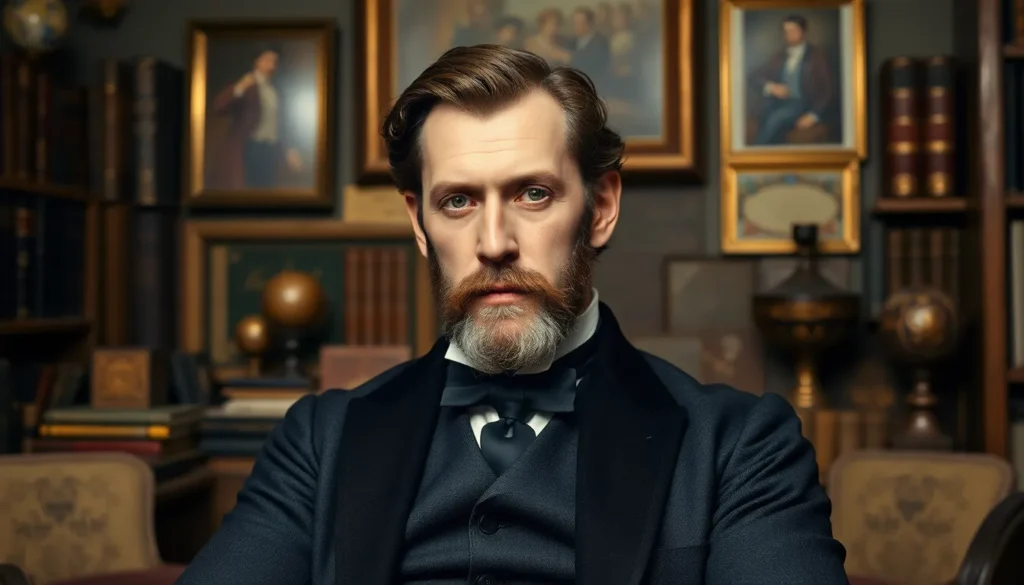
Bram Stoker’s early life laid the foundation for his literary journey. Born in 1847 in Dublin, his roots shaped his narrative style and themes.
Family and Upbringing
Stoker was the third of seven children in a middle-class family. His father, Abraham Stoker, worked as a civil servant, while his mother, Charlotte Thornley, influenced his imagination through Irish folklore. Illness marked Stoker’s childhood, confining him to bed for extended periods. This isolation ignited his interest in storytelling, particularly tales of horror and the supernatural. Family interactions emphasized the importance of literature, guiding Stoker toward his future as a writer.
Education and Influences
Education played a critical role in Stoker’s development. He attended Dublin’s Campbell College before continuing to Trinity College, where he earned a Bachelor of Arts degree in 1870. Exposure to various literary works broadened his perspective on storytelling. Influential figures, including Oscar Wilde, provided insights into character and narrative depth. Stoker’s theater management experiences also nurtured his ability to craft compelling tales. Those formative years combined with rich influences led him towards the intricate narratives that defined his later works.
Career and Major Works
Bram Stoker’s literary career features a mix of innovation and creativity, with Dracula serving as the defining achievement. Published in 1897, this novel not only established Stoker as a master of Gothic fiction but also revolutionized vampire lore.
Dracula: The Pinnacle of His Writing
Dracula stands as the apex of Stoker’s writing career, combining traditional folklore with fresh narrative techniques. The novel chronicles the haunting tale of Count Dracula’s attempt to move from Transylvania to England, intertwining themes of sexuality and fear. Rich details about the characters and settings create an immersive experience for readers. Stoker’s vivid portrayal of the infamous vampire sparked a cultural fascination with the supernatural, influencing countless adaptations and interpretations. Its complex characters personify the eternal struggle between good and evil, establishing a lasting legacy in horror literature.
Other Notable Works
Alongside Dracula, several of Stoker’s other writings deserve recognition. The Jewel of Seven Stars, released in 1903, explores themes of Egyptian mythology and supernatural horror, showcasing Stoker’s versatility. In The Lair of the White Worm, published in 1911, he delves deeper into grotesque elements and ancient folklore, further solidifying his standing in the Gothic genre. Many of Stoker’s short stories, including The Judge’s House and The Man from the Sea, reveal his ability to create engaging narratives within compact formats. Collectively, these works reflect Stoker’s enduring interest in the uncanny and the macabre, demonstrating his influence on modern horror.
Themes and Writing Style
Bram Stoker’s literature blends themes of horror and the supernatural with profound psychological insights. His writing showcases elements that resonate with readers, drawing them into his intricate tales.
Gothic Elements in His Writing
Gothic elements permeate Stoker’s works, contributing to the atmosphere of dread. Dark settings, such as the eerie landscapes of Transylvania, evoke feelings of isolation. His characters often embody duality, with villains like Count Dracula representing both allure and terror. Supernatural phenomena frequently intertwine with reality, creating tension throughout his narratives. Stoker’s use of symbolism, often reflecting societal fears of the unknown, amplifies the gothic experience. This crafting of suspense ultimately engages readers, compelling them to confront their own fears.
Character Development and Plot Structure
Character development in Stoker’s novels stands out through meticulous details and psychological depth. Protagonists like Jonathan Harker and Mina Murray undergo significant transformations, showcasing growth in response to horrifying circumstances. Plot structures frequently employ an epistolary format, enriching storytelling through letters and journal entries. Such devices immerse readers in the characters’ perspectives, enhancing emotional engagement. Conflicts arise from both internal struggles and external threats, delineating the tension between good and evil. Stoker’s mastery of pacing builds suspense, leading to climactic moments that resonate long after the final page.
Legacy and Impact on Literature
Bram Stoker’s influence on literature extends beyond his time, shaping future generations of writers within the horror genre.
Influence on Horror Genre
Count Dracula serves as a pivotal character in horror literature. This iconic figure inspired countless adaptations and derivative works across various media. Elements like vampirism, the character’s aristocratic demeanor, and the fight between good and evil set archetypes followed by writers. Elements of suspense and fear permeate Stoker’s narratives, influencing authors such as Stephen King and Anne Rice. Themes of sexuality intertwined with horror continue to resonate, illustrating how Stoker reshaped the genre’s landscape.
Contributions to Modern Literature
Stoker’s work paved the way for modern narratives that explore psychological themes. His use of intricate characters and complex storylines encourages depth in contemporary storytelling. The epistolary format he utilized invites readers into the minds of characters, a device often replicated in today’s literature. Notable authors frequently cite Stoker as an inspiration for their exploration of horror and the supernatural. His ability to blend folklore with psychological insight challenges modern writers to consider societal fears within their narratives. In many ways, Stoker’s literary legacy encourages ongoing discussions about morality, identity, and the human condition.
Conclusion
Bram Stoker’s influence on literature extends far beyond his most famous work. His unique blend of folklore and psychological depth has left an indelible mark on the horror genre. Through characters like Count Dracula, he explored complex themes that resonate with readers today.
Stoker’s ability to weave intricate narratives and develop multifaceted characters set a standard for future writers. His exploration of fear and identity continues to inspire modern storytelling. As scholars and fans alike delve into his works, Stoker’s legacy remains vibrant and relevant, ensuring that his contributions to Gothic literature will endure for generations to come.