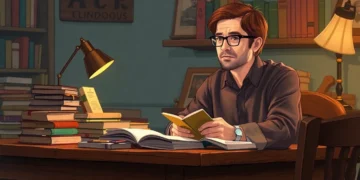

Charles Dickens, the literary rock star of the 19th century, knew how to spin a tale that could make readers laugh, cry, and question their life choices—all in one sitting. With a knack for colorful characters and gripping plots, he brought the gritty realities of Victorian England to life, proving that even a humble orphan could become a hero.
His works, like “A Christmas Carol” and “Great Expectations,” are timeless classics that still resonate today. Whether it’s the haunting ghost of Marley or the charming Pip, Dickens’ characters stick with you like that last piece of fruitcake at a holiday dinner—hard to forget and even harder to ignore. So, grab a cup of tea, settle into your favorite reading nook, and prepare to dive into the whimsical yet poignant world of Dickens, where every page is a delightful adventure waiting to unfold.
Overview Of Charles Dickens
Charles Dickens stands as a pillar of 19th-century literature, recognized for his remarkable storytelling abilities. His narratives often capture the challenging realities faced by the underprivileged in Victorian England. Memorable characters populate his works, including Scrooge from “A Christmas Carol” and Pip from “Great Expectations,” resonating with readers across generations.
Published in 1843, “A Christmas Carol” introduces themes of redemption and social responsibility. It remains a staple of holiday literature, demonstrating Dickens’ talent for weaving moral lessons into engaging stories. “Great Expectations,” released in 1860, delves into themes of ambition and personal growth, exploring how one’s background shapes identity.
Dickens frequently drew inspiration from his own experiences, growing up in poverty and witnessing societal injustices. He incorporated elements of his life into his characters, creating authenticity that enhances emotional connection. Readers often find themselves identifying with the struggles and triumphs depicted in his narratives.
With over 15 novels, countless short stories, and numerous essays, Dickens’ contributions to literature are extensive. His critique of social issues highlights the need for reform, making him an enduring figure in the realm of social commentary. Many scholars continue to study his works for insights into the period’s societal structures.
Throughout his career, Dickens maintained a keen focus on the plight of the working class. His vivid descriptions and well-crafted plots invite readers to explore the complexity of human experience. Engaging storytelling intertwines with a keen observation of society, solidifying his status as one of the greatest novelists in the English language.
Early Life And Education
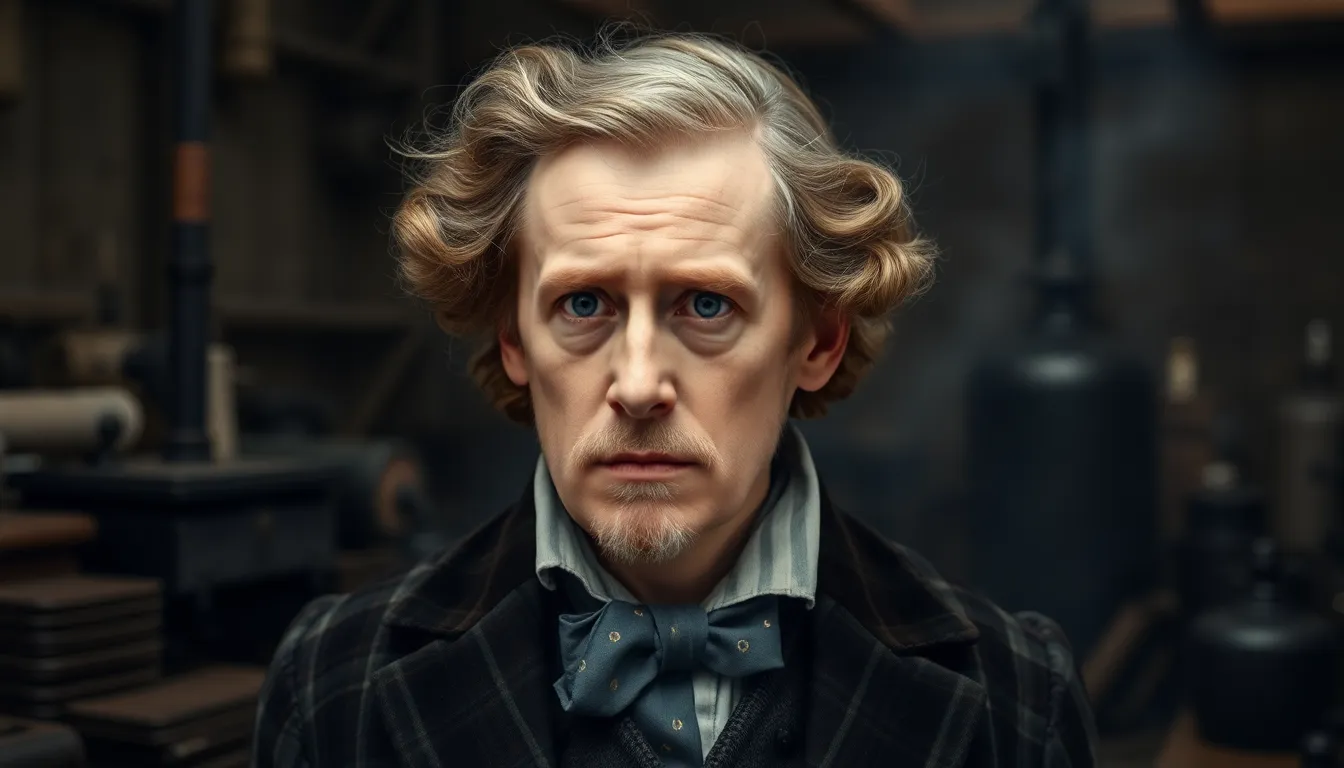
Charles Dickens’ early life significantly shaped his literary output. Born on February 7, 1812, in Portsmouth, England, his family faced financial struggles that impacted him profoundly.
Childhood Experiences
Dickens experienced poverty firsthand during his formative years. At age 12, he worked in a blacking factory after his father’s imprisonment for debt. These experiences instilled a sense of empathy for the less fortunate. His childhood exposure to both hardship and the moments of joy found in simple activities influenced his writing. Characters mirroring his struggles emerged in novels, showcasing the intersection of hardship and resilience. These elements continue to resonate with readers even today.
Influences On His Writing
Dickens drew inspiration from various sources, especially his life events. Experiences with loss, love, and societal injustices colored his narrative style. Observing the daily challenges faced by the working class provided rich material for his novels. Mentors like William Hazlitt encouraged his literary pursuits, further shaping his worldview. For Dickens, the blend of personal experience and keen observation created a distinctive voice that became characteristic of his work. This unique perspective contributed to his reputation as a critical social commentator.
Major Works
Charles Dickens created a vast literary legacy marked by innovative storytelling and rich character development. His works vividly capture the complexities of 19th-century life.
Novels
Dickens authored over 15 novels, each contributing uniquely to English literature. “A Tale of Two Cities,” published in 1859, examines themes of resurrection and sacrifice during the French Revolution. Another significant work, “David Copperfield,” released in 1850, offers a semi-autobiographical glimpse into the author’s own childhood struggles. “Oliver Twist,” unveiled in 1837, tells the story of an orphan navigating the harsh realities of Victorian society, addressing child labor and social inequalities. These novels continue to illustrate Dickens’ mastery in crafting unforgettable narratives and exploring moral dilemmas. Each story showcases his ability to blend social commentary with engaging plots.
Short Stories
Dickens’ short stories offer a diverse range of themes and characters. “The Pickwick Papers,” published in 1836, blends humor with social critique, introducing readers to a cast of endearing characters. Additionally, “A Christmas Carol” demonstrates the importance of compassion and redemption through the character of Ebenezer Scrooge. His short fiction, often serially published, captivated audiences and enhanced his popularity in Victorian England. Several of these stories reflect social issues, showcasing his continued concern for the less fortunate. In his short works, Dickens exhibits an exceptional ability to communicate complex emotions within a limited framework. Each story reinforces his status as a literary giant.
Themes And Styles
Charles Dickens’ works reflect rich themes and distinctive styles that resonate deeply with readers. His narratives frequently highlight societal injustices and human resilience.
Social Critique
Dickens distinctly critiques social issues through his narratives. Poverty, child labor, and class disparity dominate many of his works. “Oliver Twist” offers a direct commentary on the exploitation of orphans within Victorian society. Furthermore, “A Christmas Carol” showcases the importance of social responsibility and charity through Scrooge’s transformation. These stories expose the grim realities of his time, prompting readers to reflect on moral obligations towards the less fortunate. By embedding critiques within engaging plots, Dickens not only entertains but also educates, urging social reform through awareness.
Character Development
Distinctive characters populate Dickens’ novels, each representing various aspects of society. He crafts memorable figures like Ebenezer Scrooge, who embodies the potential for change through redemption. In “David Copperfield,” the protagonist navigates childhood challenges, showcasing resilience shaped by personal experience. Villains, such as Fagin from “Oliver Twist,” exemplify the darker sides of society. Each character’s journey conveys complex emotional depth, allowing readers to form connections. These representations of human experience provide a window into the societal challenges Dickens sought to address, illustrating the interplay between personal growth and societal evolution.
Legacy And Influence
Charles Dickens’ legacy endures through his profound impact on literature and culture. His works resonate across generations, serving as a cornerstone of English literature.
Impact On Literature
Dickens shaped the development of the novel as a literary form. Many authors cite his ability to intertwine social commentary with engaging narratives as a key influence. The depth of his characters inspired the creation of future literary figures, demonstrating complex human emotions and societal struggles. Themes of poverty, injustice, and moral growth persisted in the works of writers who followed in his footsteps. Adaptations of Dickensian stories often emphasize the timeless nature of his themes, offering rich material for analysis and reflection.
Adaptations In Film And Theatre
Numerous adaptations highlight Dickens’ narratives in film and theater. Films like “A Christmas Carol” and “Oliver!” bring his characters to life through music and acting, showcasing the enduring appeal of his stories. Stage productions featuring his works enhance audience engagement through dramatic performances. Various adaptations maintain core themes while reinterpreting characters for contemporary contexts, illustrating the adaptability of his messages. Streaming services and theaters continually produce new adaptations, ensuring that Dickens’ influence remains prominent in modern entertainment.
Conclusion
Charles Dickens’ impact on literature is undeniable. His ability to weave intricate narratives with deep social commentary has left an indelible mark on readers and writers alike. The characters he created resonate across generations, inviting empathy and reflection on societal issues that remain relevant today.
Through his vivid storytelling and exploration of human resilience, Dickens not only entertained but also challenged societal norms. His works continue to inspire adaptations and discussions, ensuring that the themes of compassion and social responsibility remain alive. As readers delve into his stories, they discover a world where every character has a voice and every struggle tells a story. Dickens’ literary legacy is a testament to the power of words in shaping culture and conscience.