In a world where bedtime stories reign supreme and imaginations run wild, children’s book authors are the unsung heroes crafting tales that spark joy and curiosity. These literary wizards weave magic with words, turning simple pages into portals of adventure, laughter, and life lessons. From whimsical creatures to brave little heroes, their characters leap off the page and into the hearts of young readers.
But let’s be honest—writing for kids isn’t just about rhymes and rainbows. It’s a delicate dance of humor and heart, where every word counts and every illustration brings a story to life. So, what makes these authors tick? What secrets do they hold that keep kids clamoring for just one more chapter? Dive into the enchanting world of children’s book authors and discover the artistry behind the stories that shape young minds and create lifelong readers.
Childrens Book Authors
Children’s book authors play an essential role in shaping young minds through imaginative storytelling. This section highlights both contemporary and classic authors who have left a lasting impact on the genre.
Contemporary Authors
Contemporary children’s authors create engaging stories that resonate with modern readers. Authors like J.K. Rowling, known for the Harry Potter series, captivate with magical adventures. Mo Willems charms with characters like Elephant and Piggie, emphasizing friendship and humor. Raina Telgemeier focuses on relatable themes in graphic novels such as Smile, appealing to young readers with realistic experiences. Grace Lin enriches children’s literature with her tales influenced by Chinese culture and folklore, illustrating diverse perspectives. Each author contributes distinct voices and themes, reflecting today’s children’s interests and challenges.
Classic Authors
Classic children’s authors have timelessly enchanted generations with their works. Dr. Seuss, with whimsical rhymes and imaginative creatures, has inspired a love for reading among countless children. A.A. Milne introduced the beloved character Winnie the Pooh, emphasizing friendship and adventure in the Hundred Acre Wood. E.B. White’s Charlotte’s Web remains a cherished tale of friendship and loyalty, resonating with readers of all ages. Lewis Carroll’s Alice’s Adventures in Wonderland captivates with fantastical elements, encouraging curiosity and imagination. Each classic author has forged a foundation in children’s literature, influencing both past and present storytelling.
Impact of Childrens Book Authors
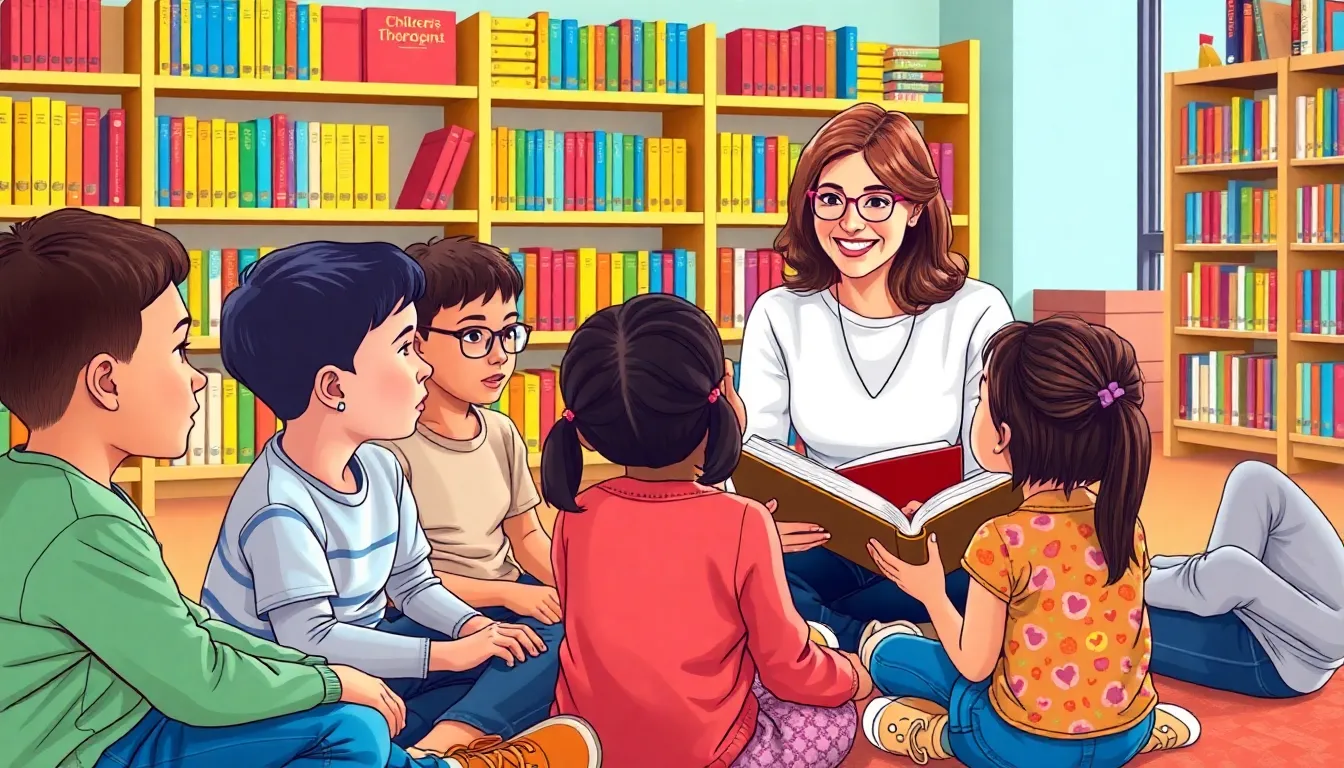
Children’s book authors play a significant role in shaping young minds. Their stories foster imagination, creativity, and emotional intelligence.
Influence on Childhood Development
Children’s authors contribute to developmental milestones in areas such as literacy and social skills. Engaging narratives and relatable characters enhance vocabulary and comprehension abilities. They introduce moral lessons that help children navigate friendships and conflict resolution. Studies show that children exposed to diverse stories demonstrate increased empathy and understanding of different perspectives. Authors also use humor and adventure to stimulate curiosity and ignite a passion for learning. Overall, these literary creators offer valuable tools for personal growth and emotional development.
Cultural Representation
Cultural representation in children’s literature impacts identity formation and inclusivity. Authors who highlight diverse characters and experiences allow children to see themselves reflected in stories. This representation fosters pride in one’s culture and encourages respect for others. Contemporary authors like Grace Lin and Raina Telgemeier address multicultural themes, illustrating various traditions and values. Classic authors also left lasting legacies by incorporating universal themes that resonate across generations. By promoting cultural awareness, children’s book authors cultivate an appreciation for diversity and forge connections among young readers.
Writing Styles and Techniques
Children’s book authors employ various writing styles and techniques to engage young readers and enhance their storytelling. Unique approaches foster creativity and imagination, making each book a memorable experience.
Storytelling Approaches
Narrative structures play a crucial role in captivating children’s attention. Some authors utilize linear storytelling, guiding readers through adventures in a straightforward manner. Others opt for non-linear techniques, allowing readers to explore different story arcs. Dialogue often conveys personality, bringing characters to life through unique voices. Many authors incorporate humor, captivating laughter while conveying deeper messages. Themes of friendship, courage, and diversity frequently resonate with children, enriching their understanding of the world. By employing relatable characters and real-life situations, authors ensure that children find connections within the stories.
Illustrative Styles
Illustrative techniques significantly enhance children’s books, providing visual narratives that complement the texts. Some authors collaborate with illustrators to create vibrant, colorful images that enhance storytelling. Bold colors attract attention, while softer tones evoke emotions and calmness. Various styles, such as whimsical illustrations or realistic depictions, convey different moods and themes. Consistency between text and illustrations helps children grasp the story’s essence better. Integrating diverse characters and settings in artwork fosters inclusivity, allowing all children to see themselves represented. Overall, the synergy between words and images creates an immersive reading experience that leaves lasting impressions.
Challenges Faced by Childrens Book Authors
Children’s book authors encounter various challenges in their quest to create compelling narratives. These hurdles can affect their creative process and overall success in the industry.
Market Competition
Competition in the children’s book market is fierce. Thousands of new titles emerge each year, making it essential for authors to stand out. Unique concepts and captivating storytelling help differentiate their work from the rest. Authors must also keep up with changing market trends that reflect children’s interests. Engaging illustrations and relatable characters play crucial roles in attracting young readers. Strong marketing strategies and social media presence significantly influence visibility alongside traditional methods of promotion.
Navigating Publisher Expectations
Publisher expectations often add pressure to children’s book authors. Many publishers seek manuscripts that align with current trends, which can stifle creativity. Adhering to specific guidelines might restrict an author’s artistic expression. Balancing originality while meeting industry standards proves challenging. Authors also navigate the complexities of contracts and royalties, making business acumen vital. Clear communication with publishers fosters a better understanding of mutual goals, leading to successful partnerships. Each author must adapt to feedback and revisions while maintaining their vision.
Conclusion
Children’s book authors play an essential role in shaping young minds through their imaginative storytelling. Their ability to blend humor with valuable lessons not only entertains but also nurtures important skills like empathy and emotional intelligence.
As they tackle contemporary themes and reflect on cultural diversity, these authors ensure that every child can find a story that resonates with their experiences. The collaboration between words and illustrations further enriches the reading journey, making literature a vibrant world for children to explore.
Despite the challenges of a competitive market, these writers continue to inspire the next generation, fostering a lifelong love for reading and learning. Their contributions will undoubtedly leave a lasting impact on children and the literary landscape for years to come.