

Homer’s not just a name; it’s a legend that echoes through history like a catchy tune you can’t shake off. This ancient Greek poet, often credited with masterpieces like the Iliad and the Odyssey, has been captivating minds for centuries. But let’s face it—most people remember him for the epic tales of gods and heroes, not for his ability to throw a great party.
Overview of Homer
Homer stands as a pivotal figure in ancient Greek literature. Known primarily for two epic poems, the Iliad and the Odyssey, he shaped the narrative structure of Western literature. Historians believe these works originated in the 8th century BCE, but their precise dating remains uncertain. The Iliad focuses on the Trojan War, illustrating themes of heroism and honor. The Odyssey recounts Odysseus’s challenging journey home, emphasizing resilience, intelligence, and the importance of homecoming.
His influence extends beyond poetry into various fields, including philosophy, history, and rhetoric. Scholars recognize that his storytelling methods and character development have inspired countless writers throughout history. The archetypal heroes and mythical beings introduced in his epics continue to resonate in modern literature, film, and other art forms.
While much emphasis is placed on his literary contributions, his social life offers valuable insights into ancient Greek culture. He likely participated in symposia, which were gatherings for discussion and entertainment among the elite. Such gatherings fostered the exchange of ideas, making them vital social settings within his time.
It’s crucial to acknowledge that Homer’s works serve both heroic and educational purposes. They reflect the values of ancient Greek society and showcase the moral dilemmas faced by heroes. Moreover, his legacy endures, influencing generations of writers and scholars who study his texts for their profound insights into human nature. Thus, Homer remains a cornerstone of literary studies, with relevance that extends far beyond his era.
Historical Context
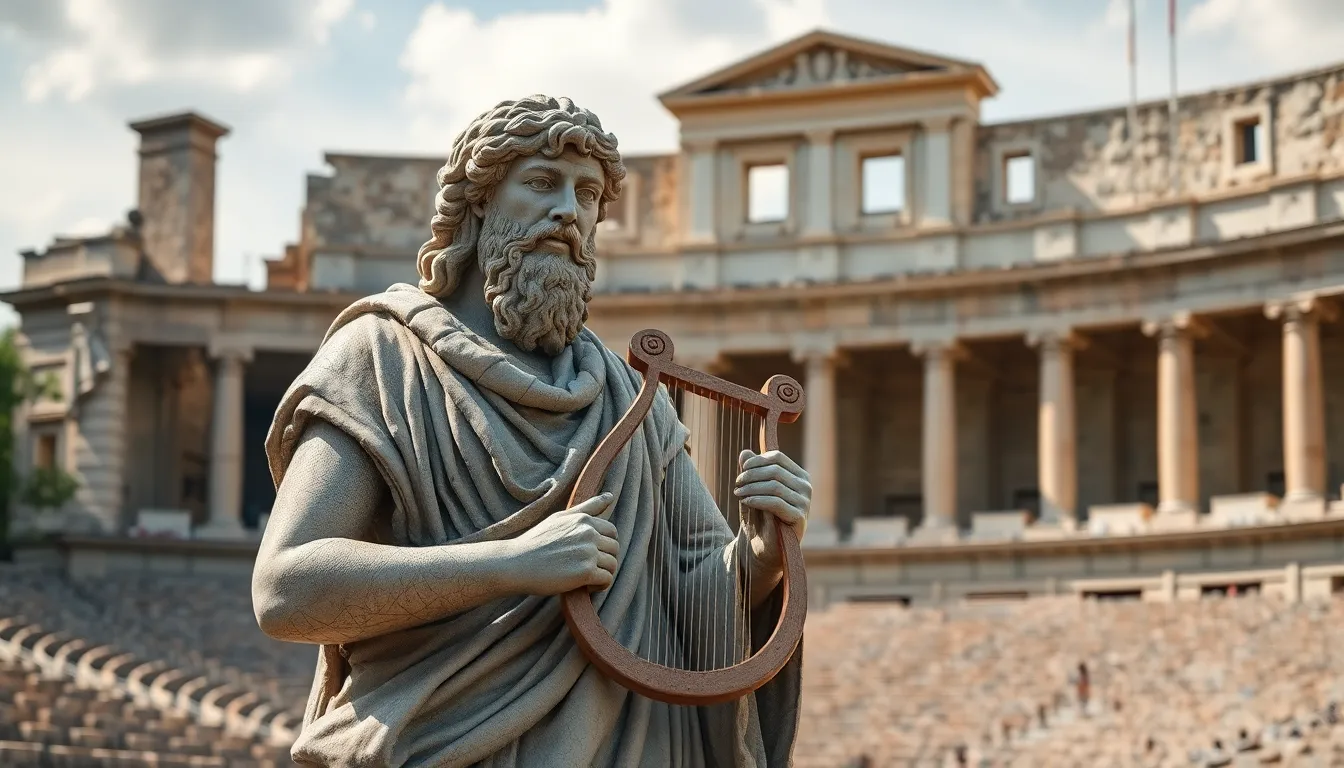
Homer’s impact on literature and culture emerges from his life and the era in which he lived. His contributions to ancient Greek society provide insights into his enduring legacy.
Life and Background
Homer likely lived during the 8th century BCE, a time characterized by oral tradition. Scholars debate whether he was a single individual or a collective representation of several poets. Various regions in ancient Greece claim connection to him, with both Chios and Smyrna as notable candidates. Little is documented about his personal life. Most knowledge about him stems from later historical accounts. These accounts describe him as a blind bard, traveling from town to town. Engagements in symposia reflect his social standing. This cultural backdrop reinforces the significance of storytelling in Greek society.
Major Works
Two monumental works define Homer’s legacy: the Iliad and the Odyssey. The Iliad chronicles the events of the Trojan War, emphasizing themes of honor and valor. It features complex characters such as Achilles and Hector, encapsulating human emotions and conflicts. The Odyssey follows Odysseus’s arduous return home after the war, symbolizing resilience and cleverness. This epic delves into concepts of loyalty and perseverance. Both poems utilize meter and rhythm, establishing a foundation for epic poetry. Their narrative techniques influenced countless writers across centuries, ensuring Homer’s relevance remains strong.
Analysis of Homer’s Epic Poetry
Homer’s epic poetry profoundly influences literature, featuring two seminal works: the Iliad and the Odyssey. These narratives offer rich thematic explorations that continue to captivate audiences.
The Iliad
The Iliad centers on the Trojan War, highlighting themes of heroism, honor, and the human condition. Achilles emerges as a pivotal character, embodying the struggles of pride and mortality. The poem intricately weaves personal conflicts with broader societal issues, showcasing the impact of fate and the divine. Battle scenes unfold with vivid imagery, immersing readers in the chaos of war. The emotional depth of characters, such as Hector and Priam, enhances its complexity. Through its meticulous use of dactylic hexameter, the Iliad sets a standard for epic poetry. This structured rhythm allows for impactful storytelling, engaging listeners and reinforcing the poem’s oral tradition.
The Odyssey
The Odyssey represents a journey of homecoming and personal growth. Odysseus, the clever protagonist, faces numerous trials on his way back to Ithaca. His adventures introduce essential themes of perseverance, loyalty, and the significance of identity. Encounters with mythical creatures and divine beings blur the lines between reality and the fantastical. The narrative emphasizes the importance of human agency amid external challenges. Characters like Penelope embody fidelity and resolve, enriching the story’s emotional stakes. The Odyssey’s intricate plot structure mirrors the complexities of life itself. Through its lyrical language and inventive storytelling, this epic continues to resonate with readers and writers alike.
Themes in Homer’s Works
Homer’s works encapsulate enduring themes, influencing literature across centuries. The complexities of human experience surface in every line, offering insights into a bygone era.
Heroism and Valor
Heroism and valor emerge as central themes in both the Iliad and the Odyssey. Achilles exemplifies the warrior’s code, his fierce pride fuels his actions on the battlefield. Hector represents noble qualities, balancing personal honor with loyalty to his city and family. Trials faced by Odysseus also highlight heroic traits, including cunning and perseverance. Loyalty plays a significant role, especially in Penelope’s unwavering faith during Odysseus’s absence. Throughout both epics, characters confront significant challenges, encouraging audiences to reflect on the nature of heroism and the costs associated with it.
The Role of the Gods
The gods significantly influence human lives in Homer’s narratives. In the Iliad, divine intervention drives the plot, with deities like Zeus and Athena guiding or obstructing heroes. Each character’s fate intertwines with the whims of the gods, underscoring the theme of predestination. In the Odyssey, gods affect Odysseus’s journey, shaping encounters with mythical creatures and allies. Characters frequently call upon divine assistance, illustrating their dependence on higher powers. The interplay between the divine and mortal realms reveals how fate and free will coexist in the human experience.
Homer’s Influence on Literature
Homer’s works continue to resonate throughout literature, shaping narratives and inspiring countless adaptations. His epic tales have established a lasting legacy that filmmakers, poets, and playwrights frequently draw upon.
Legacy and Adaptations
Homer’s epics have inspired numerous adaptations across various forms of media. Classic literature often references his characters and themes. Modern writers acknowledge his influence in shaping the epic genre, while filmmakers reinterpret his stories for contemporary audiences. His works provided a blueprint for heroism, morality, and the human experience. Several adaptations, such as the film “Troy” and the novel “The Penelopiad,” reimagine key events, illustrating his stories’ enduring relevance.
Modern Interpretations
Modern interpretations of Homer’s work often highlight contemporary themes, such as identity and conflict. Writers frequently explore his characters’ struggles in light of present-day issues. Many modern novels and films reinterpret Odysseus’s journey, positioning it within a modern context. Adaptations now emphasize resilience and personal growth, focusing on characters’ internal battles. This ongoing exploration of Homer’s narratives demonstrates their versatility and the timeless nature of his themes.
Conclusion
Homer’s influence on literature and culture remains undeniable. His epic tales have shaped storytelling traditions and inspired countless adaptations across various media. The themes of heroism loyalty and the complexities of human experience found in the Iliad and the Odyssey continue to resonate with audiences today.
As a pivotal figure in ancient Greek literature Homer not only crafted narratives that entertain but also provoke thought and reflection. His ability to weave personal struggles with societal issues highlights the timeless nature of his work. The legacy of Homer endures as modern writers and creators draw from his rich tapestry of characters and themes ensuring that his stories will live on for generations to come.