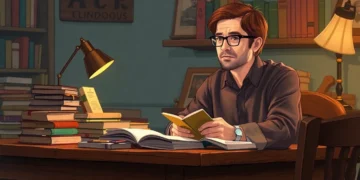

Kurt Vonnegut isn’t just a name in literature; he’s a phenomenon wrapped in wit, wisdom, and a dash of absurdity. With a pen that danced between science fiction and social commentary, he crafted worlds that both entertained and provoked thought. His unique blend of humor and poignant critique makes reading his work feel like a delightful rollercoaster ride through the human experience.
From the iconic “Slaughterhouse-Five” to the satirical brilliance of “Cat’s Cradle,” Vonnegut’s stories resonate with readers of all ages. He had a knack for turning the mundane into the extraordinary, leaving readers chuckling while pondering the complexities of life. So, buckle up and dive into the whimsical yet profound universe of Kurt Vonnegut, where every page offers a fresh perspective on existence, humanity, and the occasional flying saucer.
Overview Of Kurt Vonnegut
Kurt Vonnegut, born on November 11, 1922, in Indianapolis, Indiana, achieved fame as a novelist, satirist, and playwright. His eclectic style combined elements of science fiction, dark humor, and social commentary. One can identify his most notable works, including “Slaughterhouse-Five,” published in 1969, which remains a seminal piece in American literature.
Experiences from World War II significantly shaped his writing. Vonnegut served as a soldier and endured the firebombing of Dresden, which profoundly impacted his narrative perspective. Themes in his literature often address the absurdity of war, the human condition, and the struggle for meaning.
Readers also find recurring motifs like time travel and alien encounters. “Cat’s Cradle,” released in 1963, exemplifies these themes through the exploration of science and religion. Vonnegut’s unique voice challenges societal norms, often using irony to reveal deeper truths.
He published over 14 novels, numerous short stories, and essays throughout his career. The ease with which he blends humor and tragedy draws in diverse audiences. His writing invites reflection, urging readers to consider ethical questions in modern society.
Critics continue to celebrate his contributions to literature. His influence extends beyond his own works, inspiring many contemporary authors. Overall, Vonnegut’s legacy endures, leaving an indelible mark on literature and culture.
Early Life And Education

Kurt Vonnegut’s formative years played a crucial role in shaping his literary career. He grew up in a family with a distinctly artistic background, setting the stage for his creative pursuits.
Family Background
Born to Kurt Sr. and Edith Vonnegut, the family navigated significant cultural shifts. His father worked as an architect, while his mother was a proud descendant of German immigrants. Vonnegut’s childhood reflected the economic difficulties during the Great Depression. This environment influenced his worldview and writing style. He had three siblings, each contributing uniquely to his understanding of human relationships. These familial dynamics fostered his later exploration of complex themes such as familial bonds and societal expectations.
Influences On His Writing
Numerous influences marked Vonnegut’s early writing style. His literary journey began with the works of H.G. Wells, Mark Twain, and Edgar Allan Poe. Exposure to science fiction sparked his imagination and encouraged innovative thinking. Additionally, his experiences during World War II left a profound impact on his narratives. Observing the devastation of war shaped his perspectives on absurdity and moral ambiguity. Engagement with the surreal and the satirical emerged as a defining characteristic in his storytelling. As he matured, these influences blended together to form a unique literary voice.
Literary Career
Kurt Vonnegut’s literary career spans several decades, showcasing his innovative storytelling and critical insights into society.
Major Works
Vonnegut gained recognition through numerous significant novels. “Slaughterhouse-Five,” published in 1969, stands as one of his most renowned works, exploring the impact of war through a non-linear narrative. “Cat’s Cradle,” released in 1963, combines science fiction with a satirical examination of religion and ethics. Other notable titles include “Breakfast of Champions,” which critiques American culture, and “Mother Night,” where deceit and identity play crucial roles. His short stories, compiled in collections such as “Welcome to the Monkey House,” further illustrate his unique approach to thematic exploration. Vonnegut produced over 14 novels, allowing readers to engage with his distinctive perspectives on human existence.
Unique Writing Style
Humanity resonates through Vonnegut’s unique writing style, characterized by simplicity and wit. He often employed a conversational tone, making complex themes accessible. Satire played a vital role in his narratives, serving as a vehicle for social critique while maintaining humor. Frequent use of metafiction added layers to his storytelling, causing readers to reflect on the nature of literature itself. Surreal elements consistently appear throughout his works, creating a distinctive blend of absurdity and reality. His proficient use of repetition, alongside distinctive character voices, further solidified his literary identity, allowing audiences to experience profound moments amidst whimsical tales.
Themes And Motifs
Kurt Vonnegut’s works frequently explore profound themes that engage readers. His narratives often serve as a mirror reflecting society’s complexities.
War And Humanity
War’s absurdity permeates Vonnegut’s literature, particularly through his experiences in World War II. He presents the horrors of conflict with a blend of stark reality and dark humor. Characters endure trauma, revealing the fragility of human existence. For instance, “Slaughterhouse-Five” highlights the futility of war through its non-linear storytelling, portraying the devastating impact on soldiers. The exploration of free will versus determinism raises questions about human agency amid chaos. This duality challenges perceptions of responsibility and morality in wartime.
Satire And Social Commentary
Satire becomes a powerful tool in Vonnegut’s arsenal for social critique. His sharp wit addresses societal flaws while entertaining readers. In “Cat’s Cradle,” the absurdities of science and religion illustrate human folly and arrogance. He critiques American culture in works like “Breakfast of Champions,” exposing consumerism and conformity. Through humor and irony, Vonnegut invites readers to question norms and values. This approach fosters a deeper understanding of complex issues, making his commentary both accessible and thought-provoking. His works resonate with lasting relevance, encouraging discussions about ethics and human nature.
Legacy And Impact
Kurt Vonnegut’s influence on literature and culture remains profound. Not only did he shape the science fiction genre, but he also revolutionized modern narrative techniques. His unique blend of satire, dark humor, and social commentary inspired countless readers and writers.
Themes from his works continue to resonate in contemporary discussions about the human experience. The exploration of war’s absurdity in “Slaughterhouse-Five” challenges perspectives on conflict and resilience. Readers often find themselves reflecting on ethics and meaningful existence through his narratives.
Several of his storytelling methods, including non-linear timelines, enhance engagement and provoke thought. Vonnegut’s use of metafiction prompts audiences to consider the purpose of literature itself. His characters frequently navigate complex moral dilemmas, representing the struggles of real life.
Influences from Vonnegut extend beyond literature, impacting theater and film. Adaptations of his work often highlight his absurdist themes and character dynamics. Inspirational figures, such as George Saunders and Neil Gaiman, credit Vonnegut for shaping their creative voices.
Recognition of his achievements includes numerous awards and honors, affirming his place in literary history. Scholars and fans alike celebrate his ability to connect humor with critical social commentary. His legacy thrives through educational curriculums, ensuring that future generations engage with his thought-provoking ideas.
As discussions about humanity evolve, Vonnegut’s insights remain relevant. Many readers find solace in his works amid the chaos of modern life. Overall, the enduring nature of his contributions invites ongoing exploration and appreciation of an extraordinary literary landscape.
Conclusion
Kurt Vonnegut’s literary genius continues to resonate with readers today. His ability to blend humor with profound insights into the human condition creates a unique reading experience. Through his exploration of complex themes such as war, identity, and morality, he invites audiences to reflect on their own lives and societal norms.
His distinctive style and innovative narrative techniques have left an indelible mark on literature. Vonnegut’s works challenge readers to confront uncomfortable truths while finding solace in the absurdity of existence. As his legacy endures, the conversations he sparked about ethics and humanity remain vital in navigating today’s world. Engaging with Vonnegut’s writing is not just an exploration of literature but a journey into the complexities of life itself.