
Michael Crichton isn’t just a name; it’s a phenomenon. With a knack for blending science with thrilling narratives, he transformed the literary landscape and made readers question everything from dinosaurs to genetic engineering. If you’ve ever found yourself gripping the edge of your seat while reading “Jurassic Park” or “The Andromeda Strain,” you know exactly what he’s capable of.
His stories don’t just entertain—they provoke thought and spark conversations. Crichton had an uncanny ability to take complex scientific concepts and wrap them in a page-turning plot, making readers feel like they’re on the brink of a groundbreaking discovery. So, buckle up as we dive into the life and legacy of this literary giant who taught us that sometimes, reality is stranger than fiction.
Michael Crichton: A Literary Overview
Michael Crichton, a prolific author, blended scientific concepts with captivating narratives. His books often feature intricate plots that explore the implications of technology and human behavior. “Jurassic Park” stands out as a seminal work, illustrating the unintended consequences of genetic engineering. Through vividly crafted dinosaurs, Crichton pushes readers to ponder ethical dilemmas in scientific advancement.
“The Andromeda Strain” presents a gripping story about a potential extraterrestrial pathogen. The chilling narrative captures the urgency and risks of scientific experimentation. Crichton’s writing invites readers to confront their understanding of science’s power and limitations. Both novels serve as prime examples of how he masterfully balances entertainment with thought-provoking themes.
Aside from novels, Crichton contributed significantly to television and film. His work on “ER” enhanced the portrayal of medical dramas, showcasing his versatility as a storyteller. Such creative endeavors broadened his impact beyond literature, cementing his place in popular culture.
In literary circles, Crichton’s influence is evident in the rise of techno-thrillers. His ability to weave real scientific knowledge into fiction set a benchmark for future writers. The unique combination of factual integrity and imaginative storytelling established a new genre.
Innovation defines much of Crichton’s legacy. He challenged traditional narrative structures and embraced complex scientific theories, making them accessible to a general audience. This approach not only entertained but also educated readers, encouraging a passion for science.
Notable Works by Michael Crichton
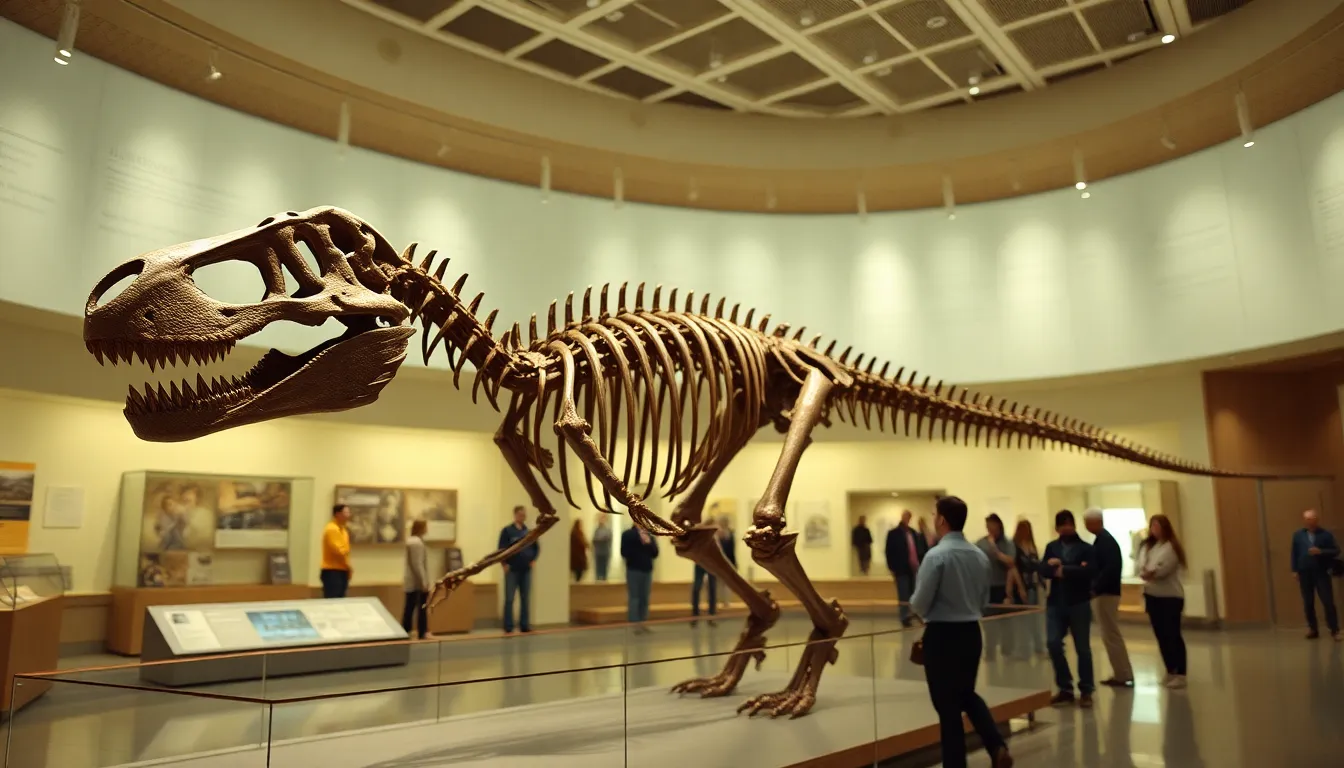
Michael Crichton’s literary contributions include groundbreaking works in various genres. His unique storytelling captivated audiences while provoking thought about scientific advancements.
Science Fiction Masterpieces
“Jurassic Park” remains a hallmark of Crichton’s science fiction. The novel explores genetic engineering, raising ethical questions about playing God with nature. Another significant work, “The Andromeda Strain,” focuses on a deadly extraterrestrial microorganism, highlighting the consequences of scientific curiosity. Both titles illustrate Crichton’s knack for blending thrilling plots with plausible science, a combination that has influenced countless writers. Readers encounter not just adventures, but also insights into humanity’s relationship with technology.
Historical Novels and Thrillers
Crichton ventured into historical fiction with “Timeline,” a captivating tale about time travel and medieval France. His ability to weave detailed historical context enhances the narrative, drawing readers into the past. “Congo” merges adventure and suspense with a storyline centered on a company’s expedition in Africa, showcasing his versatility. In “Sphere,” psychological tension escalates within an underwater research team grappling with fear and uncertainty. Each title reflects Crichton’s talent for crafting gripping stories that evoke a sense of time and place while exploring the human psyche.
Themes and Writing Style
Michael Crichton’s work reveals recurring themes that resonate throughout his literary contributions. His writing style engages readers through suspenseful storytelling intertwined with scientific inquiry.
Exploration of Technology and Ethics
Technology serves as a central focus in many of Crichton’s narratives. He dissects the ethical dilemmas stemming from advancements, particularly in genetics and bioengineering. “Jurassic Park” exemplifies this exploration, illustrating how science, when misused, can lead to catastrophic outcomes. Ethical questions arise, prompting readers to reflect on humanity’s responsibility towards innovation. Another prominent work, “The Andromeda Strain,” explores the dangers associated with scientific oversight and the unpredictability of biological experimentation. Through these cautionary tales, Crichton illuminates the complexities inherent in technological progress.
Character Development and Plot Twists
Character development plays a pivotal role in Crichton’s storytelling. Each character embodies distinct traits, often facing moral dilemmas that challenge their decisions. Engaging narratives unfold with unexpected plot twists that keep readers captivated. Crichton utilizes multifaceted characters to navigate intricate scenarios, enhancing emotional depth. In “Sphere,” characters confront their deepest fears when faced with an indomitable force. Twists in “Timeline” shift perceptions of time and reality, further amplifying suspense. These elements reflect Crichton’s mastery in crafting unpredictable stories that invoke curiosity while exploring human resilience.
Impact on Literature and Film
Michael Crichton profoundly shaped both literature and film, integrating scientific concepts into compelling narratives. His distinct storytelling style influences countless creators across media.
Adaptations of His Works
Several of Crichton’s novels became iconic films, illustrating his storytelling prowess. ‘Jurassic Park’ captivated audiences with groundbreaking special effects and compelling themes about genetic engineering. ‘The Andromeda Strain’ translated his suspenseful narrative into a gripping cinematic experience about extraterrestrial threats. ‘Congo’ and ‘Timeline’ further showcased his narratives through thrilling adaptations. Each adaptation underscores the cinematic potential of his intricate plots and characters.
Influence on Modern Science Fiction
Crichton’s work set new expectations for modern science fiction, blending fact with fiction in innovative ways. His narrative approach encourages writers to explore complex scientific themes creatively. Through his novels, he introduced audiences to the ethical implications of technology and science. Today’s authors frequently reference Crichton’s influence in the techno-thriller genre, where incorporating realism remains vital. His legacy persists as a foundational element in the genre, inspiring a new generation of storytellers who grapple with the moral dilemmas of science and technology.
Personal Life and Background
Michael Crichton was born on October 23, 1942, in Chicago, Illinois. He grew up in a family that valued education; his father worked as a journalist, and his mother taught physical education. At Harvard University, he earned a bachelor’s degree in anthropology. Pursuing his interests, he later attended Harvard Medical School, where he wrote novels to support himself.
During his time at medical school, he penned several works under pseudonyms. In fact, his first published novel, “The Andromeda Strain,” released in 1969, marked his entry into the literary world. Crichton’s diverse experiences infused his writing with scientific accuracy and intricate detail. Living in various cultural settings, he traveled extensively, which broadened his knowledge and inspired future narratives.
Crichton married five times throughout his life, including to his last wife, Sherri Alexander, in 1999. Family remained an important aspect of his identity, influencing both his work and personal outlook. His love for science, technology, and wilderness emerged in many of his stories, reflecting his multifaceted interests.
Before achieving fame, Crichton directed and produced films, showcasing his versatility within the entertainment industry. He faced challenges, notably navigating the complexities of popular literature and film adaptations. His impact is evidenced in both literature and cinema, as he became one of the most successful writers of his time.
Michael Crichton passed away on November 4, 2008, after a battle with cancer. His contributions continue to resonate in contemporary discussions around science and ethics, solidifying his legacy as a master storyteller in both literature and film.
Conclusion
Michael Crichton’s legacy as a master storyteller continues to resonate in both literature and film. His ability to weave complex scientific themes into thrilling narratives has set a standard for future writers. Crichton’s exploration of ethical dilemmas and technological advancements invites readers to engage with pressing issues that remain relevant today.
His influence is evident in the rise of the techno-thriller genre, where realism and imagination collide. As new generations of authors draw inspiration from his work, Crichton’s contributions to storytelling and critical thinking will undoubtedly endure. Through his captivating narratives, he not only entertained but also educated, leaving an indelible mark on the literary world.