

Roald Dahl is a name that sparks joy and mischief in the hearts of readers young and old. With a knack for weaving whimsical tales and unforgettable characters, he’s the literary equivalent of a chocolate factory—full of surprises and a little bit nutty. From the enchanting world of Charlie and the Chocolate Factory to the spine-tingling adventures of The Witches, Dahl’s stories have a way of capturing imaginations and tickling funny bones.
But don’t let the sweetness fool you; Dahl’s work often dances on the edge of the bizarre, making it all the more delightful. His unique blend of humor, imagination, and a sprinkle of darkness keeps readers coming back for more. Dive into the world of Roald Dahl and discover why his stories continue to enchant generations, proving that a little mischief can go a long way in creating magic.
Overview of Roald Dahl
Roald Dahl, born on September 13, 1916, in Llandaff, Wales, became a prominent British novelist and screenwriter. His early life included Norwegian roots and a childhood marked by influences from both his family and experiences at boarding school.
Dahl’s literary career began with short stories for adults, but he gained fame for his children’s books. Notable works include “Charlie and the Chocolate Factory,” “Matilda,” and “The BFG.” These stories showcase his flair for vibrant characters and imaginative settings. Themes of adventure and the triumph of the underdog resonate throughout his tales.
Characters like Willy Wonka, Matilda Wormwood, and the Big Friendly Giant capture the imagination of readers. His ability to blend humor and darkness stands out, allowing children to explore complex emotions. It’s no surprise that Dahl’s works maintain popularity, inspiring adaptations for film and theater.
Dahl published 19 children’s books, and each story encourages children to embrace their individuality. His writing often featured quirky illustrations by Quentin Blake, enhancing the whimsical nature of his narratives. The interplay between text and art adds depth to his storytelling.
Awards and honors commemorate Dahl’s contributions to literature. The British Book Awards honored him with a Lifetime Achievement Award in 1990. Various organizations continue to celebrate his work, ensuring that new generations discover his timeless tales.
Legacy extends beyond literature; he actively participated in humanitarian efforts, particularly for children’s health and education. Roald Dahl’s unique blend of humor, adventure, and a pinch of mischief creates stories that endure, delighting readers worldwide.
Major Works
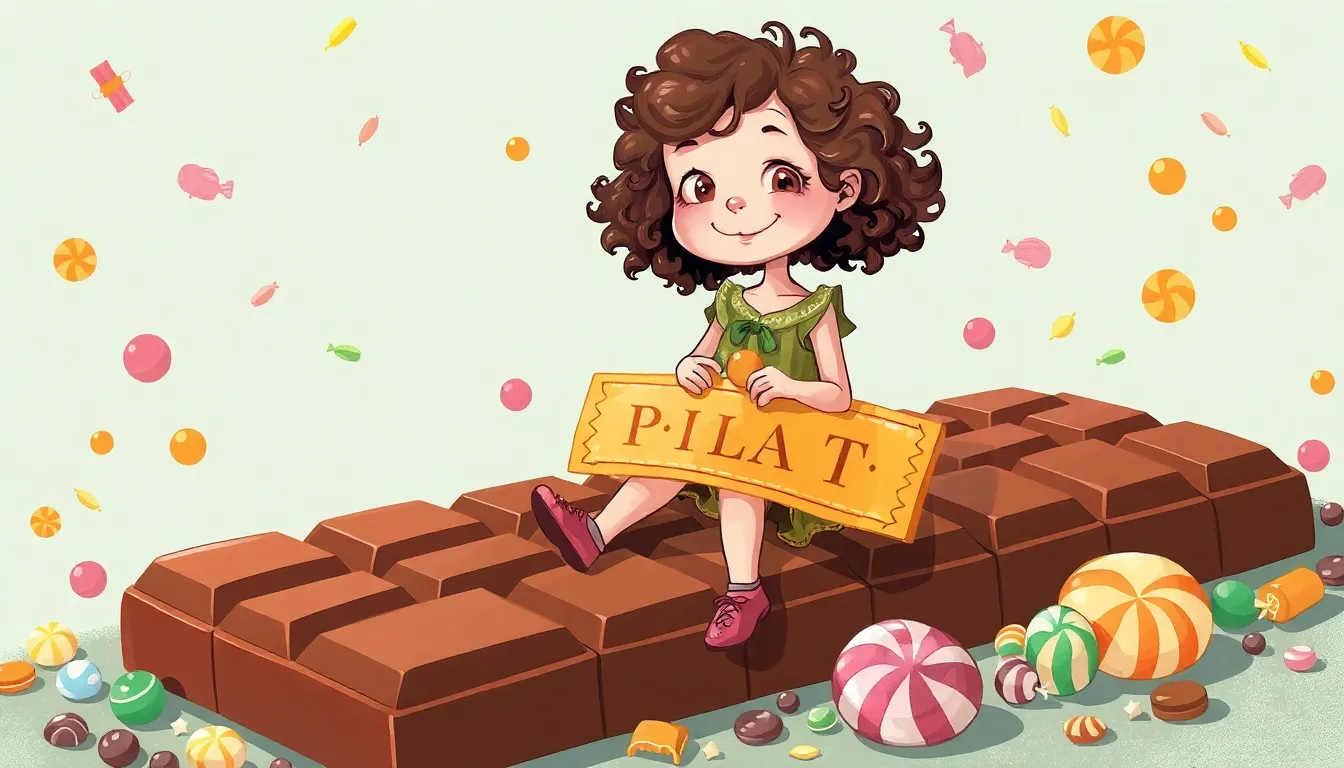
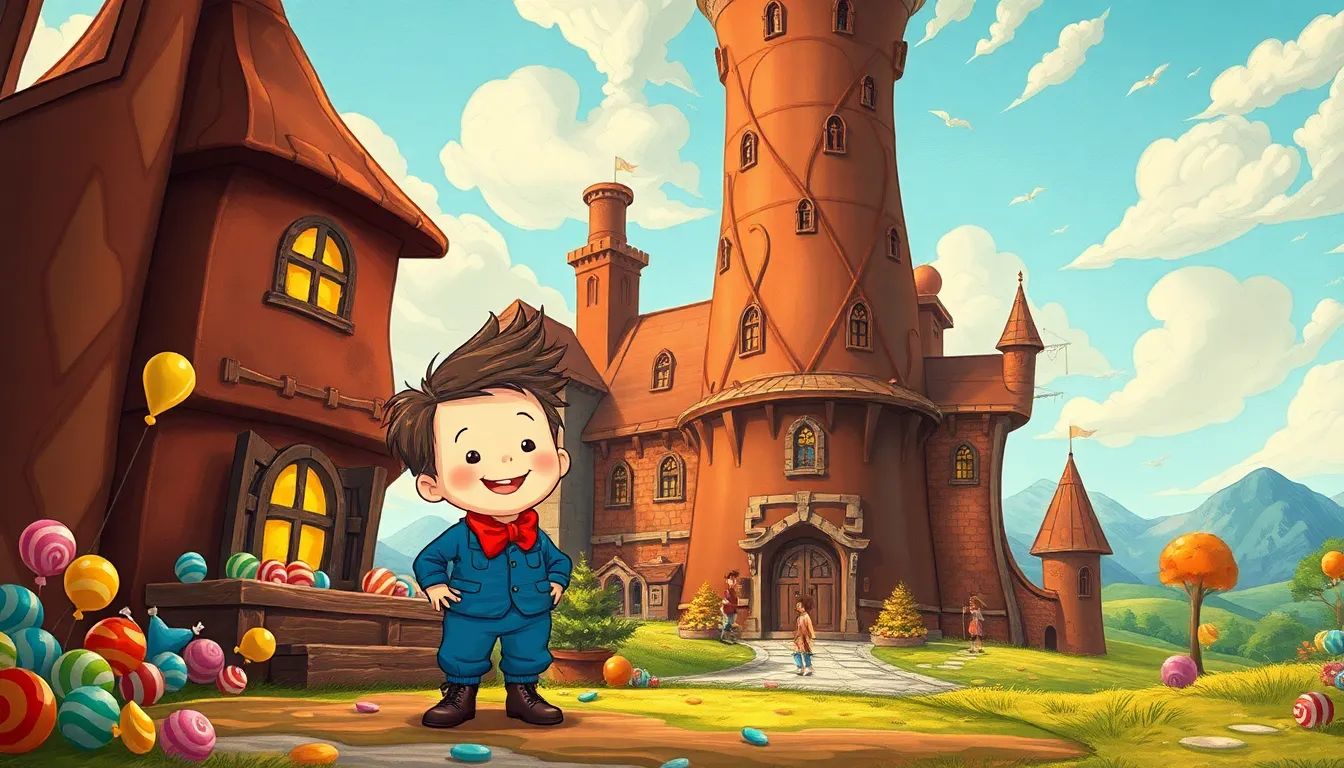
Roald Dahl’s literary contributions span both children’s literature and adult fiction, showcasing his versatility as a storyteller.
Children’s Literature
Dahl’s children’s books captivate young readers through imaginative plots and memorable characters. Titles like “Charlie and the Chocolate Factory,” “Matilda,” and “The BFG” stand out in this genre. These stories often feature underdog protagonists who, against all odds, achieve their dreams. Characters such as Willy Wonka and Matilda Wormwood inspire children to embrace their individuality. Each narrative combines humor with enchanting elements, making complex emotions easily accessible to young audiences. Illustrations from Quentin Blake further enhance the whimsical nature of Dahl’s tales. Themes of adventure and friendship permeate his works, ensuring they resonate across generations.
Adult Fiction
Dahl’s adult fiction reveals a different side of his storytelling prowess, often filled with dark humor and unexpected twists. Short stories such as “Lamb to the Slaughter” and collections like “Someone Like You” showcase his adeptness at crafting suspenseful narratives. These works typically explore the human psyche and moral complexities. Readers encounter characters whose seemingly mundane lives take dramatic turns. Each story invites reflection on themes of betrayal, love, and revenge while often maintaining a satirical tone. This body of work highlights Dahl’s ability to engage adult audiences and demonstrates his adaptability as a writer.
Writing Style and Themes
Roald Dahl’s storytelling captivates readers through its unique language and thematic depth. His works invite exploration of both whimsical adventures and darker tales.
Use of Language
Language plays a pivotal role in Dahl’s stories. It features playful dialogue and inventive word choices that engage children. Vivid imagery brings a rich texture to settings and characters. Frequent use of onomatopoeia creates an auditory delight in his narratives. Alliteration adds a rhythmic quality, making the text memorable. Readers encounter simplicity in sentence structure, facilitating comprehension for younger audiences. By incorporating humor, Dahl maintains a light-hearted tone, even when addressing serious themes. Imagination flourishes through his clever use of language.
Dark Humor and Morality
Dark humor permeates Dahl’s narratives, often subverting traditional moral lessons. Readers find a blend of lightheartedness and unsettling truths, portraying the world with a nuanced perspective. He explores themes of justice and retribution, as seen in stories like “The Witches.” Characters frequently face moral dilemmas that prompt reflection on human nature. Unexpected twists showcase the complexities of good and evil, captivating readers while challenging their perceptions. Dahl’s blend of humor and morality encourages readers to grapple with life’s contradictions. His stories maintain a lasting relevance through their exploration of darker themes intertwined with whimsical narratives.
Influence and Legacy
Roald Dahl’s storytelling left an indelible mark on literature and culture. Through his whimsical narratives, he inspired countless writers and readers alike.
Contribution to Literature
Dahl significantly shaped children’s literature with his imaginative tales. His works often address themes of bravery, resilience, and individuality. Iconic characters like Matilda and Charlie Bucket demonstrate the triumph of the underdog, encouraging readers to embrace their uniqueness. The language he employed remains accessible yet enchanting, captivating young audiences. His storytelling style used playful dialogue and vivid imagery, making complex emotions relatable. As a result, numerous educational institutions incorporate his stories into curricula to enhance children’s engagement with literature.
Impact on Popular Culture
Popular culture reflects Dahl’s far-reaching influence through film adaptations and merchandise. Movies like “Charlie and the Chocolate Factory” and “The BFG” brought his whimsical worlds to life on screen. Stage adaptations further showcase his timeless narratives, appealing to diverse audiences. Merchandise, including toys and apparel, brings Dahl’s characters into everyday life. His signature blend of humor and a touch of darkness resonates across generations, ensuring his stories remain relevant. Thus, Roald Dahl’s legacy continues to thrive, inspiring not only readers but also creators across multiple mediums.