

Salman Rushdie is a name that sparks curiosity and debate, much like a spicy curry that leaves you both delighted and slightly bewildered. Known for his sharp wit and captivating storytelling, he’s a literary heavyweight who’s navigated the tumultuous waters of fame, controversy, and, let’s be honest, a few death threats. His works blend fantasy and reality, challenging readers to think outside the box—or maybe even outside the universe.
Biography of Salman Rushdie
Salman Rushdie stands as a significant figure in contemporary literature, renowned for his innovative storytelling. His works intertwine personal and cultural narratives, offering deep insights into society.
Early Life and Education
Born on June 19, 1947, in Mumbai, India, Salman Rushdie grew up in a diverse family. His father, a businessman, and his mother, a teacher, fostered a love of literature from an early age. Rushdie attended the prestigious Cathedral and John Connon School before furthering his education at the University of Cambridge. There, he studied history, which informed his later writings. This academic background laid the foundation for his unique narrative style that blends history and fiction.
Literary Influences
Various authors and movements shaped Salman Rushdie’s literary voice. Influences such as Gabriel García Márquez and the magic realism genre inspired him to explore surreal elements in his narratives. Additionally, the works of Virginia Woolf and James Joyce enhanced his understanding of stream-of-consciousness techniques. These influences create a rich tapestry within his novels, blending diverse genres and cultural contexts. Rushdie’s literary journey reflects a constant engagement with political and social themes, resonating deeply with readers worldwide.
Major Works of Salman Rushdie
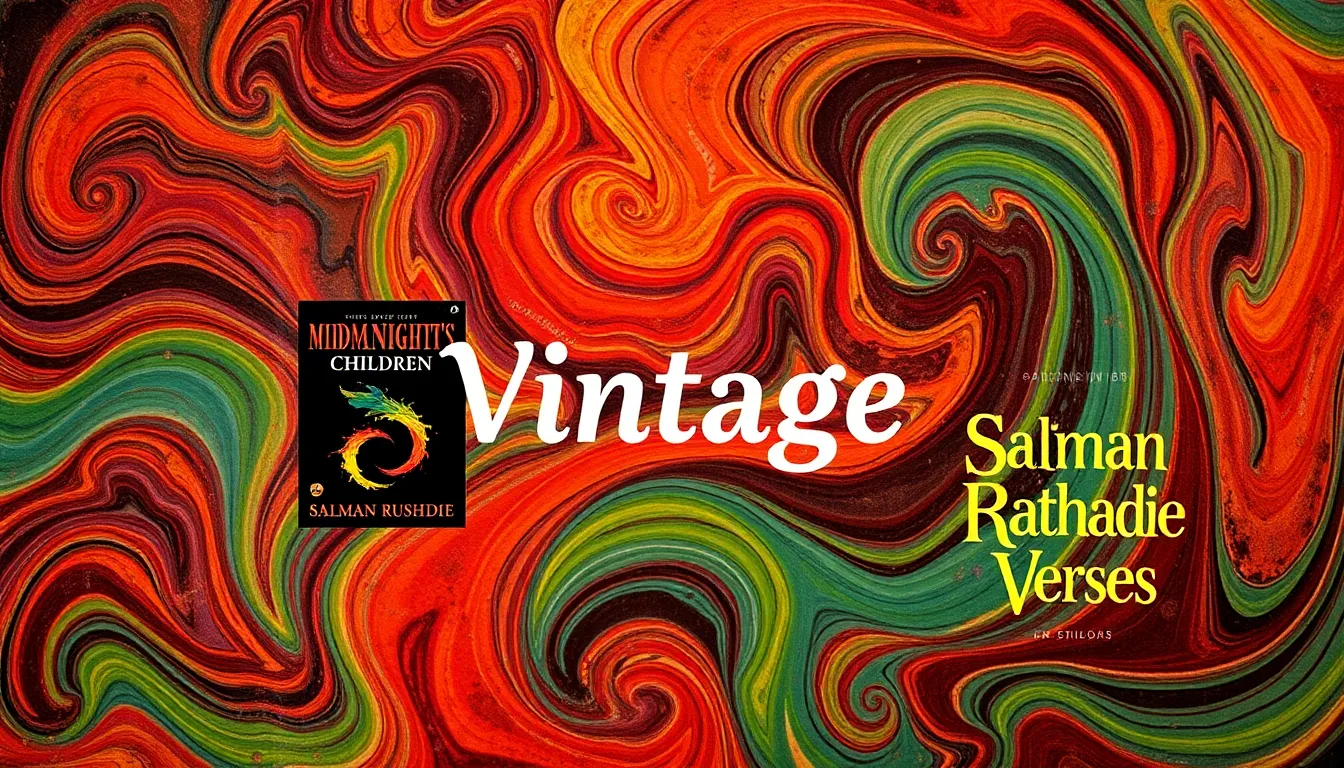
Salman Rushdie’s extensive literary contributions highlight his innovative storytelling and thematic depth. Major works often blend the fantastical with the real, prompting critical thought.
Midnight’s Children
“Midnight’s Children” emerged in 1981 and gained significant acclaim. This novel intertwines the lives of children born at the exact moment of India’s independence. The narrative employs magical realism and incorporates historical events, symbolizing the nation’s struggles. Saleem Sinai, the protagonist, serves as a metaphor for India itself. The book won the Booker Prize and remains a cornerstone in contemporary literature.
The Satanic Verses
“The Satanic Verses,” published in 1988, sparked widespread controversy and debate. This work explores themes of identity, faith, and cultural conflict. The narrative follows two Indian expatriates and contemplates their existential dilemmas. Central figures Gabriel and Gibreel face personal and spiritual challenges, reflecting broader societal issues. The novel’s provocative content led to significant political backlash, including fatwas and protests.
Other Notable Novels
Numerous other notable works contribute to Rushdie’s impressive bibliography. “The Moor’s Last Sigh,” released in 1995, intricately examines Indian history through the life of a family in decline. “The Ground Beneath Her Feet,” published in 1999, metaphorically addresses the intertwining of music and loss. Each novel showcases his commitment to exploring cultural narratives and human experiences, solidifying his status in modern literature.
Themes in Salman Rushdie’s Writing
Salman Rushdie’s works encompass a variety of complex themes, reflecting cultural and political landscapes. His exploration of these themes engages readers and highlights significant issues.
Postcolonialism
Postcolonialism stands central in Rushdie’s narratives. His depictions of India illuminate the lingering effects of colonialism on identity, society, and politics. In “Midnight’s Children,” characters symbolize both historical and contemporary postcolonial realities. Rushdie emphasizes the fragmentation of identity in postcolonial contexts, illustrating challenges that arise from cultural hybridity. By intertwining personal histories with broader historical narratives, he showcases the struggles of individuals navigating their place in a rapidly changing world. His storytelling resonates with those examining the effects of colonial legacies, stimulating discourse on power dynamics and identity reconstruction.
Identity and Culture
Identity and culture permeate Rushdie’s literature, reflecting deeply rooted themes in his characters’ experiences. His protagonists often grapple with dual identities, torn between different cultures and histories. In “The Satanic Verses,” for instance, the struggle for self-identity amidst cultural conflict plays a pivotal role. Rushdie employs magical realism to explore the complexities of faith and belief, adding layers to notions of identity. Cultural narratives serve as both a celebration and a critique, inviting reflection on the significance of heritage and belonging. Through his characters’ journeys, he encourages readers to ponder their identities in multicultural societies.
Awards and Recognition
Salman Rushdie’s literary contributions have garnered numerous accolades throughout his career. His works frequently receive recognition for their innovative and thought-provoking nature.
Notable Awards
Rushdie’s most distinguished honor includes the 1981 Booker Prize for “Midnight’s Children.” This novel remains a high point in his career, also winning the Booker of Bookers in 1993 for being the best novel in the prize’s first 25 years. The Commonwealth Writers’ Prize honored him in 1990, acknowledging “The Moor’s Last Sigh” as the best book. Rushdie’s achievements also encompass the prestigious Hans Christian Andersen Literature Award, presented in 2017, reflecting his profound impact on literature.
Critical Acclaim
Critics widely praise Rushdie for his distinctive narrative style and thematic depth. “Midnight’s Children” not only won multiple awards but also received recognition as one of the 100 greatest novels in English. “The Satanic Verses” stirred debate, enhancing its visibility in literary circles. Publications such as The New York Times and The Guardian often highlight his works, showcasing their significance in contemporary literature. Academic scholars frequently analyze his writing, emphasizing its richness in themes such as identity, culture, and postcolonialism.
Controversies Surrounding Salman Rushdie
Salman Rushdie’s career features significant controversies, most notably surrounding his novel “The Satanic Verses.” The book, published in 1988, ignited widespread uproar due to its portrayal of Islamic figures. Many Muslims viewed the novel as blasphemous, leading to protests and calls for its ban. Ayatollah Khomeini, the former Supreme Leader of Iran, issued a fatwa in 1989, calling for Rushdie’s assassination. This declaration forced Rushdie into hiding for several years, radically altering his life and professional trajectory.
The controversy surrounding Rushdie sparked a global debate on freedom of speech. Critics argued that the fatwa represented a dangerous precedent, threatening writers worldwide. During the ensuing turmoil, discussions intensified regarding the balance between respecting religious beliefs and protecting creative expression. The incident highlighted the potential consequences artists face when challenging cultural norms. Furthermore, Rushdie’s situation underscored society’s ongoing struggle to navigate the complexities between artistic liberty and cultural sensitivities.
Conclusion
Salman Rushdie’s literary journey is a testament to the power of storytelling in navigating complex social and cultural landscapes. His works challenge readers to confront their own identities while exploring the intricacies of postcolonialism and cultural conflict. Despite facing significant challenges and controversies, Rushdie’s commitment to creative expression remains unwavering. His ability to weave fantasy with reality not only captivates audiences but also sparks essential conversations about freedom of speech and artistic integrity. As a pivotal figure in contemporary literature, Rushdie’s influence continues to resonate, inspiring future generations of writers and readers alike.