

Victor Hugo isn’t just a name that pops up in dusty literature classes; he’s a literary titan whose works have shaped the very fabric of storytelling. Picture this: a poet, a novelist, and a political activist all rolled into one, passionately penning tales of love, justice, and redemption. From the haunting streets of Paris to the grand cathedrals that echo with his words, Hugo’s influence is as undeniable as a cat’s insistence on sitting on your keyboard.
His masterpieces, like “Les Misérables” and “The Hunchback of Notre-Dame,” weave intricate narratives that still resonate today. They tackle the big questions of life, morality, and what it means to be human—kind of like scrolling through social media, but with way more drama and fewer cat videos. Dive into the world of Victor Hugo, where every page turns into an adventure, and you might just find yourself cheering for the underdog (or the hunchback) all over again.
Victor Hugo: A Literary Titan
Victor Hugo’s literary contributions stand as monumental in the realms of poetry and prose. He embodies the spirit of romanticism, blending dramatic storytelling with deep philosophical reflections. “Les Misérables,” published in 1862, presents an intricate tapestry of 19th-century French society. With character arcs like Jean Valjean and Javert, Hugo explores themes of redemption, justice, and moral conflict.
“The Hunchback of Notre-Dame,” released in 1831, captures the hearts of readers through its vivid depiction of social injustice. Quasimodo’s tragic love story paints a rich portrait of humanity’s complexity. Both works engage audiences, invoking empathy for their flawed protagonists. Hugo’s ability to intertwine personal struggles with broader societal issues enhances the literature’s impact.
Another significant element in Hugo’s oeuvre is his role as a political activist. His writings often reflect his advocacy for social reform, influencing public opinion on crucial issues. Through essays and speeches, Hugo championed causes like abolition and education. This connection between art and activism underscores his commitment to justice.
Hugo’s poetry also deserves recognition, particularly collections like “Les Contemplations.” Here, he evokes raw emotion through elegant verse, inviting readers to confront existence’s mysteries. His lyrical style captures the essence of love, nature, and loss, displaying versatility in his craft.
Victor Hugo’s legacy resonates through his multifaceted works. His narratives challenge norms while evoking deep emotional responses. The enduring relevance of his themes continues to inspire literature and culture.
Early Life and Influences
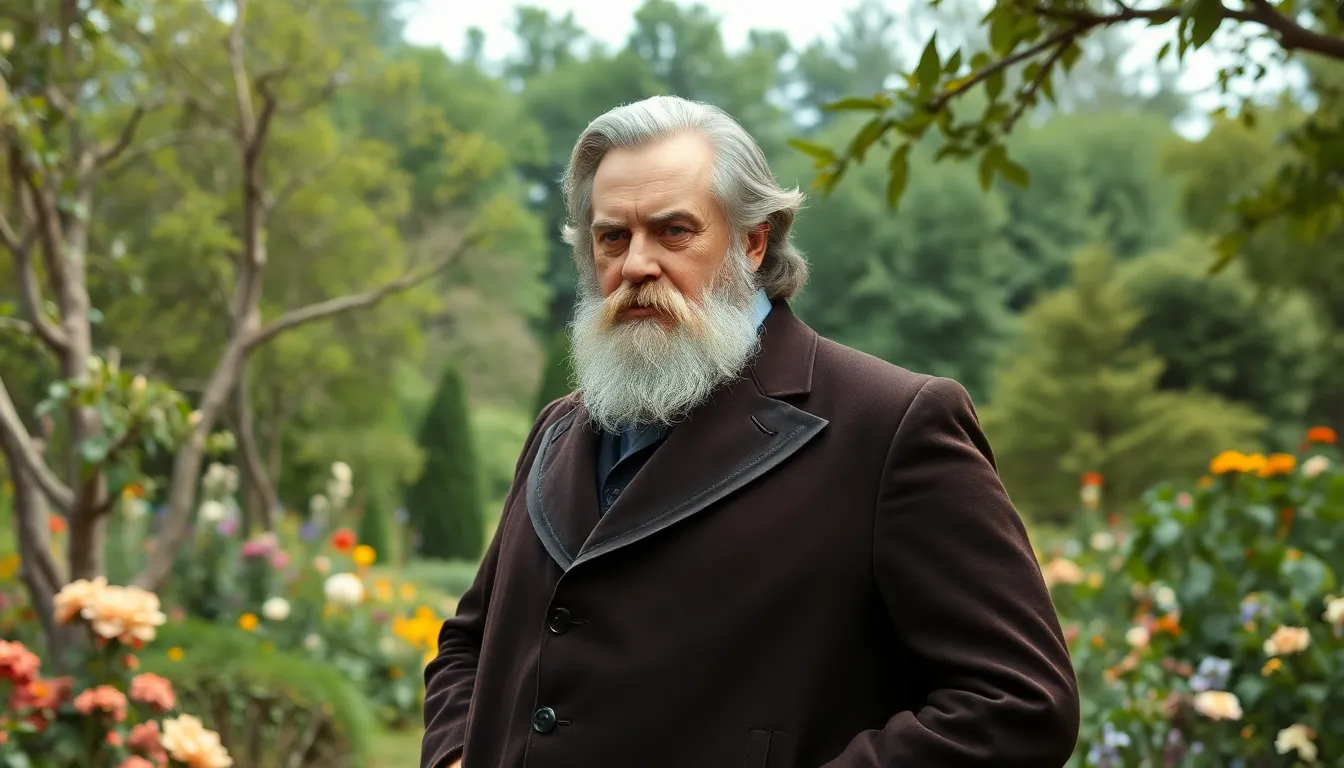
Victor Hugo, born on February 26, 1802, in Besançon, France, experienced a formative early life. His family background significantly shaped his future pursuits.
Family Background
Hugo’s father, Joseph Léopold Sigisbert Hugo, served as a general in Napoleon’s army, while his mother, Sophie Trébuchet, emphasized the value of education and creativity. Raised in a politically charged environment, he absorbed diverse perspectives from his parents. The family’s financial instability also influenced Hugo’s worldview, fostering a keen awareness of social issues. His upbringing in various cities across France exposed him to different cultures and ideals. These experiences inspired themes of struggle and redemption in his later works.
Key Influences
Several key influences molded Hugo’s literary contributions. The Romantic movement fervently inspired him, encouraging emotional depth and individualism. Exposure to works of poets like Jean-Jacques Rousseau and Lord Byron ignited his passion for storytelling. Friendships with writers such as Alexandre Dumas and Prosper Mérimée further shaped his narrative style. Experience as a political activist enhanced his understanding of social justice, infusing his narratives with advocacy for the marginalized. These diverse influences created a rich tapestry for Hugo’s compelling narratives, inviting readers into a world of profound themes and emotional resonance.
Major Works
Victor Hugo’s major works continue to captivate readers with their depth and emotional resonance. “Les Misérables” and “The Hunchback of Notre-Dame” exemplify his literary prowess and thematic richness.
Les Misérables
“Les Misérables,” published in 1862, ranks among Hugo’s most acclaimed novels. This epic narrative unfolds the lives of various characters, especially Jean Valjean and Javert. Redemption serves as a core theme, illustrating the struggle between good and evil. Set against the backdrop of 19th-century France, the story sheds light on social injustices, poverty, and moral dilemmas. Characters like Fantine and Cosette highlight the harsh realities faced by the underprivileged. Readers discover the transformative power of love and compassion throughout the novel, making it a timeless classic.
The Hunchback of Notre-Dame
Released in 1831, “The Hunchback of Notre-Dame” engages readers with its tragic love story. Quasimodo, the deformed bell ringer, embodies the fight against societal rejection. Hugo’s portrayal of Esmeralda showcases inner beauty and compassion beyond physical appearances. Social injustice plays a significant role, emphasizing the impact of prejudice and discrimination. The dramatic setting within the Notre-Dame Cathedral adds an element of gothic beauty. It invites readers to feel empathy for flawed characters, elevating the narrative’s emotional stakes. This novel remains a potent exploration of love, acceptance, and the human condition.
Themes and Style
Victor Hugo’s work embodies rich themes and stylistic depth, particularly exemplified in his exploration of social justice and romanticism.
Social Justice
Social justice forms a cornerstone in Hugo’s narratives. “Les Misérables” illustrates the struggles against poverty and inequality through characters like Fantine and Valjean. These characters face systemic oppression, reflecting societal constraints that resonate with readers. Hugo’s poignant portrayals challenge the status quo, urging an empathetic response to marginalized individuals. Advocacy for the downtrodden permeates his writing, advocating for reform through emotional and moral appeals. Notably, he critiques the legal system’s harshness and emphasizes compassion’s transformative power. Narratives portray personal redemption intertwined with societal responsibility, engaging readers in the moral complexities of justice.
Romanticism
Romanticism significantly influences Hugo’s literary style. He employs vivid imagery and emotionally charged language to evoke feelings, capturing the beauty and turmoil of human experience. His characters often experience intense emotions and personal struggles, embodying the passion integral to romantic literature. “The Hunchback of Notre-Dame” showcases this intensity through Quasimodo’s unrequited love, offering reflections on beauty and acceptance. Nature often serves as a powerful backdrop in his stories, symbolizing the characters’ internal conflicts. Hugo’s lyrical quality speaks to the depth of human emotion, making the narrative accessible while stirring the reader’s imagination. His unique blend of dramatic storytelling creates a timeless impact that defines his style.
Legacy and Impact
Victor Hugo’s legacy resonates through literature and culture. His powerful storytelling and profound themes continue to inspire generations.
Influence on Literature
Hugo’s impact on literature is monumental. His works introduced complex characters and intricate plots that shaped modern storytelling techniques. Authors like Leo Tolstoy and Charles Dickens drew inspiration from Hugo’s focus on social issues and moral dilemmas. Additionally, his contributions to the Romantic literary movement established a foundation for future writers. Elements such as emotional depth and vivid imagery permeate the works of many contemporary authors. As a result, Hugo’s legacy is evident in the narratives that explore the intricacies of human experience.
Cultural Significance
Culturally, Hugo’s influence extends beyond literature. His exploration of social justice themes played a significant role in shaping public consciousness. Movements advocating for civil rights and social reform often cite Hugo’s works as motivating factors. The tragic love story in “The Hunchback of Notre-Dame” resonates in various adaptations, from films to stage productions, emphasizing its enduring relevance. Furthermore, his writings on compassion and humanity advocate for empathy in society. As a result, Hugo’s contributions continue to inspire conversations around justice, equality, and the complexities of life.
Conclusion
Victor Hugo’s influence on literature and society is undeniable. His ability to weave complex narratives that tackle profound themes continues to resonate with readers today. Through characters who embody the struggles of humanity he invites a deeper understanding of social justice and compassion.
Hugo’s works serve as a reminder of the power of storytelling to inspire change and evoke empathy. His legacy lives on not only in the pages of his novels but also in the hearts of those who seek to understand the human condition. As society grapples with ongoing issues of justice and equality Hugo’s insights remain a guiding light for future generations.